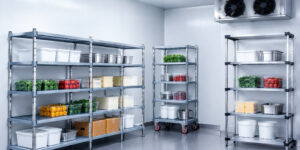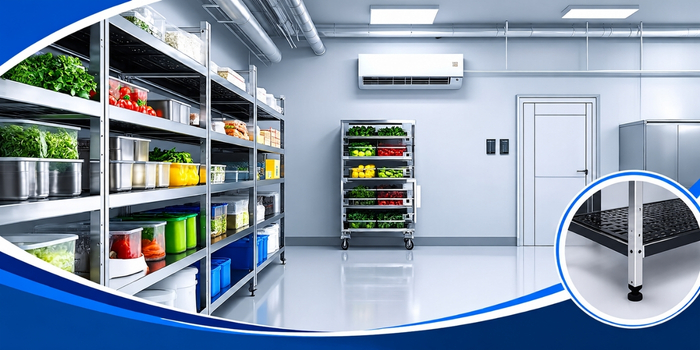
A disorganised cool room costs Australian food businesses money every single day. Staff waste time hunting for stock, spoiled produce lands in the bin, and food safety risks climb. However, you can fix all of this with a clear system and the right shelving. In this guide, Mantova walks you through six practical steps to organise your cool room with shelving that help cafés, restaurants, caterers, butchers and grocers get the most from their cool rooms.
Why Cool Room Organisation Matters
First, a tidy cool room cuts waste. When staff can see every product, they use stock before it expires. As a result, your food costs drop and your profit margins improve.
Second, organisation speeds up service. Chefs grab ingredients in seconds instead of minutes, so your kitchen runs smoothly during the lunch rush.
Third, a well-organised cool room protects your customers. Australian food businesses must follow the Food Standards Code, and local council inspectors expect to see safe storage practices. Therefore, a logical layout helps you pass inspections with confidence.
Finally, good organisation keeps your temperature steady. Cold air circulates freely around neatly arranged stock, whereas a cluttered room creates warm pockets that spoil food.
Step 1: Start with the Right Commercial Shelving
Shelving forms the foundation of every well-run cool room. Before you move a single box, choose shelving that handles cold, damp conditions. Mantova recommends you weigh up three factors.
Material.
Cool rooms hold high humidity, and moisture quickly destroys cheap shelving. Stainless steel resists corrosion and wipes clean easily. Polymer shelving never rusts, so it suits wet environments. Epoxy-coated wire also performs well, provided the coating stays intact. In contrast, bare chrome wire often rusts within a year or two in a humid room.
Shelf style.
Wire shelves let air flow through the unit and allow water to drain, which helps your refrigeration system work efficiently. Solid shelves, on the other hand, catch drips and protect products below. Many Australian kitchens combine both styles. For example, they place wire shelves for produce and dairy, and solid shelves for raw meat trays.
Load capacity.
Always check the weight rating before you buy. Beverages, cartons of vegetables and bulk meat add up fast. Moreover, overloaded shelves bend, collapse and injure staff. Choose a unit that comfortably exceeds your heaviest load.
You should also consider adjustable shelving. Adjustable units let you change shelf heights as your menu and stock levels change. Consequently, your shelving grows with your business instead of holding it back.
Step 2: Plan Your Cool Room Layout
Next, map out your layout on paper before you place any shelving. A little planning now saves hours of rearranging later.
Follow your workflow. Start at the door, where deliveries arrive, and finish near the exit to your prep area. This path reduces unnecessary walking and keeps traffic moving in one direction. Additionally, it lowers the time the door stays open, which saves energy.
Protect airflow. Keep shelving away from the evaporator fan and the walls. Leave a gap of several centimetres at the back and sides so cold air can circulate. If you block the fan, you create warm spots and force the compressor to work harder.
Keep aisles clear. Aim for aisles wide enough for two people to pass, or for a trolley to roll through. Narrow aisles slow staff down and increase the risk of spills and collisions.
Use vertical space wisely. Cool rooms charge you for every cubic metre of cold air, so use your height. Place heavy items on lower shelves and lighter items higher up. However, never stack products so high that staff must climb or stretch to reach them.
Step 3: Zone Your Products
Zoning means you give every product category a permanent home. As a result, staff always know where to find items and where to return them.
Group by category.
Dedicate separate shelving bays to dairy, fruit and vegetables, meat and seafood, prepared foods, and beverages. Furthermore, place your highest-turnover items at waist to shoulder height, because staff reach for them most often.
Follow the food safety storage order.
Always store ready-to-eat food on the top shelves. Place cooked items below that, then raw fish and beef, and finally raw poultry on the bottom shelf. This order stops raw juices from dripping onto food that people eat without further cooking. Therefore, it plays a critical role in preventing cross-contamination.
Keep everything off the floor.
Store all food at least 15 centimetres above the ground. This habit keeps products clear of mops, spills and pests, and it makes floor cleaning much easier.
Step 4: Use FIFO Stock Rotation
FIFO stands for “first in, first out.” Under this method, your staff use the oldest stock first and place new deliveries behind or beneath it.
To make FIFO work, follow these steps:
- Check the use-by and best-before dates on every delivery.
- Move older products to the front of the shelf.
- Slide new stock to the back.
- Date every opened or prepared item immediately.
- Review your shelves at the end of each shift.
In addition, consider colour-coded labels or tape for each day or week. Staff then spot expired stock at a glance without reading every date. Similarly, many businesses assign one team member to check dates each morning, which keeps the habit consistent.
Step 5: Label Everything Clearly
Clear labels remove guesswork. Without them, even a well-zoned cool room slips into chaos within weeks.
Label every shelf and bin with its category, such as “Dairy” or “Raw Chicken.” Next, label every container with the product name, preparation date and use-by date. Allergen labels also deserve attention, because a mix-up can seriously harm a customer.
Importantly, use labels that survive cold, wet conditions. Standard paper labels peel and smudge in a cool room. Instead, choose waterproof labels, freezer-grade adhesive or dissolvable labels designed for food containers. Also, write with a permanent marker rather than a biro, since biro ink often fades in damp conditions.
Step 6: Keep Your Shelving Clean and Maintained
Cleaning protects both your stock and your shelving. Create a simple schedule and stick to it.
- Daily: Wipe up spills immediately and remove any damaged or spoiled stock.
- Weekly: Wash shelves with a food-safe detergent, rinse them and sanitise them.
- Monthly: Empty one section at a time and clean thoroughly behind and beneath the shelving.
- Quarterly: Inspect every unit for rust, loose joints, bent shelves and worn feet.
Furthermore, never ignore small problems. A slightly rusty shelf today becomes a contaminated shelf tomorrow. Replace damaged parts promptly, and your shelving will serve you for many years.
Common Cool Room Organisation Mistakes
Even experienced operators slip up. Watch out for these common errors:
- Overloading shelves. Excess weight damages shelving and creates a safety hazard.
- Blocking the evaporator fan. This mistake wrecks temperature control.
- Storing food on the floor. It invites contamination and pests.
- Mixing raw and ready-to-eat items. This habit raises the risk of food poisoning.
- Skipping stock rotation. Old stock hides at the back and spoils.
- Propping the door open. It lets warm air in and drives up your power bill.
Key Points: Organise Your Cool Room With Shelving
- Choose corrosion-resistant shelving, such as stainless steel, polymer or epoxy-coated wire.
- Check the load capacity before you buy any shelving unit.
- Plan your layout around your workflow, from delivery to prep.
- Leave gaps around the evaporator fan and walls for airflow.
- Store ready-to-eat food above raw food, and raw poultry at the bottom.
- Keep all products at least 15 centimetres off the floor.
- Apply FIFO stock rotation to every delivery.
- Use waterproof, clearly written labels on every shelf and container.
- Clean and sanitise your shelving on a regular schedule.
- Inspect your shelving often, and replace damaged units quickly.
FAQs: Organise Your Cool Room With Shelving
What is the best shelving for a cool room in Australia?
Corrosion-resistant shelving performs best. Stainless steel offers outstanding durability and hygiene, while polymer shelving resists rust completely. Epoxy-coated wire provides a budget-friendly option if you keep the coating in good condition. Choose wire shelves for airflow and solid shelves where you need to catch drips, such as under raw meat.
How far should cool room shelving sit off the floor?
Keep the lowest shelf at least 15 centimetres above the floor. This gap lets you clean underneath easily and keeps food away from splashes and pests. Many local council environmental health officers look for this clearance during inspections, so measure it carefully when you install your shelving.
What temperature must a cool room maintain under Australian food safety rules?
Australian food safety rules, including Standard 3.2.2 of the Food Standards Code, require you to keep potentially hazardous food at 5°C or below. Therefore, install a reliable thermometer, check it daily and record the readings. If your cool room drifts above 5°C, move high-risk food to a working fridge and call a refrigeration technician straight away.
Where can I buy commercial cool room shelving in Sydney, Melbourne, Brisbane or Perth?
You can buy commercial cool room shelving from authorised distributors in every major Australian city and many regional centres. Contact your nearest distributor to discuss your cool room size, budget and delivery options. Most distributors also offer local advice on layouts, so you can choose the right configuration the first time.
Can I use wire shelving in a humid or coastal cool room?
Yes, you can, but you must choose carefully. Coastal areas such as the Gold Coast, Cairns or Fremantle expose shelving to salt air and high humidity. Select stainless steel, polymer or high-quality epoxy-coated wire in these locations. Then inspect the shelving every few months and repair any chips in the coating immediately.
How often should I clean my cool room shelving?
Wipe spills daily, and wash and sanitise shelves weekly. In addition, deep clean the entire cool room monthly. Busy venues, such as commercial kitchens and butcher shops, often clean more frequently. Ultimately, a documented cleaning schedule helps you show compliance during council inspections.
About Mantova’s Shelving Distributors
Mantova supplies its commercial shelving through a network of authorised distributors across Australia. Each distributor understands local conditions, from humid Queensland kitchens to busy Melbourne cafés. Moreover, they stock a range of shelving options, offer practical layout advice and arrange delivery to your door. Because they work in your region, they also respond quickly when you need replacement parts or extra shelving. As a result, you receive reliable support long after you place your order.
Final Thoughts: Organise Your Cool Room With Shelving
A well-organised cool room reduces waste, speeds up service and keeps your customers safe. Start with sturdy, corrosion-resistant shelving, then plan your layout, zone your products and rotate your stock. Finally, label everything clearly and clean on schedule. These six steps work together, so each one strengthens the next.
Ready to upgrade your cool room? Contact Mantova today to find your nearest shelving distributor, request a quote or get expert advice on the right shelving for your business. Your next stocktake will thank you.