Cramped aisles, lost stock and slow picking cost Australian businesses time and money every day. However, you rarely need a bigger building to fix these problems. Instead, you need a smarter plan and the right commercial shelving. Small warehouses across Sydney, Melbourne, Brisbane and Perth already prove that vertical storage, clear zoning and simple labelling can double usable capacity. In this guide, Mantova walks you through nine practical steps to organise your small warehouse, cut picking errors and keep your team safe. Furthermore, you will find local FAQs and a cost overview at the end.
Why Shelving Anchors a Well-Organised Warehouse
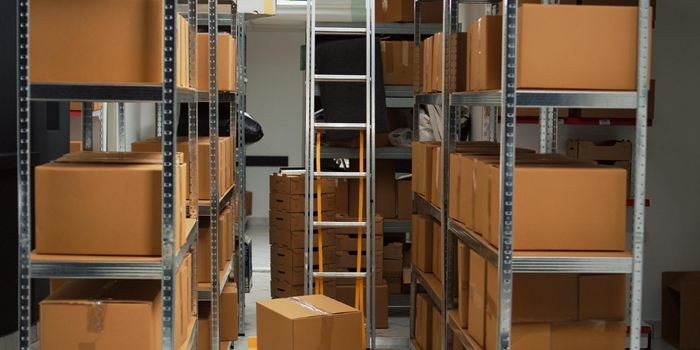
Floor storage wastes valuable cubic space. Additionally, stacked cartons crush the goods underneath, block walkways and hide stock from view. Commercial shelving solves all three problems at once. It lifts inventory off the floor, gives every product a fixed home and lets your team pick faster. As a result, you gain capacity, reduce damage and improve safety without paying for extra square metres. Moreover, in high-rent industrial areas such as Western Sydney, Dandenong or Brisbane’s Northside, every square metre you save directly protects your margins.
Step 1: Audit Your Space and Inventory
First, measure everything. Record your floor area, clear ceiling height, door widths, columns and sprinkler positions. Then sketch a simple plan on paper or in a free floor-plan tool. This plan prevents expensive mistakes later, because you cannot fix a shelving order that ignores a low beam.
Next, categorise your stock by size, weight, turnover and handling needs. For example, split your products into palletised goods, cartons, small parts and long items. Similarly, flag fragile or temperature-sensitive lines that need special care.
Finally, clear out what you no longer need. Sell, donate or dispose of dead stock, and recycle broken pallets. Consequently, you free up space before you spend a single dollar. For deeper guidance on this stage, read this guide on how to improve storage efficiency in your warehouse.
Step 2: Plan Your Warehouse Layout
Now you can design your workflow. Start by creating zones for receiving, storage, picking, packing and dispatch. Then arrange them in a logical line, so goods travel forward and never double back. This approach reduces congestion and shortens every pick path.
Next, set your aisle widths according to your equipment. As a general guide, manual picking needs roughly 1 metre, a pallet jack needs about 2.5 to 3 metres, and a counterbalance forklift needs around 3.5 to 4 metres. However, always check your specific machine’s turning radius, and confirm the numbers with your supplier. Narrow aisles save space, but they only work when your equipment fits comfortably.
Meanwhile, think about future growth. Leave room to add bays, and avoid placing shelving where a door or loading dock may need to move later.
Step 3: Choose the Right Commercial Shelving
Different products demand different shelving, so match your system to your stock. Mantova supplies a full range of commercial shelving for Australian warehouses, and each type below suits a specific job.
- Boltless shelving: This system suits small items and hand picking. Your team assembles it quickly without tools, and you can adjust shelf heights as your range changes.
- Long span shelving: This option carries medium to heavy cartons and bulky goods. It gives wide, open access and handles higher loads than boltless units.
- Pallet racking: This solution stores palletised goods and works with forklifts. It delivers the highest storage density for heavy stock, and it follows the Australian standard pallet size of 1165 x 1165 mm.
- Cantilever racking: This design holds long items such as pipes, timber and steel bars, because it removes front uprights that would otherwise block loading.
- Mezzanine floors: This upgrade adds a second working level. Therefore, you effectively double your floor space without relocating.
- Mobile shelving: This choice removes fixed aisles, so it suits very small warehouses that need maximum density.
Additionally, check the load capacity of each shelf or beam level. Suppliers rate capacity per level, not per bay, so calculate your heaviest expected load and add a safety margin. Steel shelving handles heavy duty use, whereas wire and plastic options suit lighter or hygiene-sensitive products.
Step 4: Maximise Vertical Space Safely
Most small warehouses waste their ceiling height. Fortunately, you can fix this quickly. Install taller shelving to use the full height, but leave the clearance your fire sprinklers and lighting need. Under the National Construction Code and local fire requirements, you typically keep about 500 mm of clear space below sprinkler heads. Confirm your exact requirements with a fire safety professional.
Furthermore, follow one golden rule: store heavy items low and light items high. This habit protects your team and stabilises your racking. For upper levels, provide safe access with platform ladders or order pickers, and never let staff climb the shelving itself.
For another practical view on local storage decisions, explore why to choose the best warehouse shelving in Sydney.
Step 5: Slot Your Inventory Strategically
Slotting places each product in the best possible location. First, apply ABC analysis. Rank your products by how often you pick them, then place your fast movers (A items) between waist and shoulder height, close to dispatch. Next, store medium movers (B items) slightly further away, and keep slow movers (C items) on the highest or lowest levels.
In addition, group related products together. For instance, keep complementary items side by side, so pickers grab them in one trip. Finally, choose a stock rotation method. Use FIFO (first in, first out) for most goods, and use FEFO (first expired, first out) for date-sensitive stock such as food, chemicals or medical supplies.
Step 6: Label Everything With a Location System
A clear location code turns a confusing warehouse into a searchable grid. Assign each spot a code that follows this pattern: aisle, bay, level and bin. For example, “B-04-2-C” tells a picker to go to aisle B, bay 4, level 2, bin C.
Moreover, print large labels and place them at eye level. Add barcodes if you scan stock. Then record every location in a simple spreadsheet or inventory system. As a result, new staff learn the warehouse in hours instead of weeks, and your pick errors drop sharply.
Step 7: Use Bins, Containers and Accessories
Accessories multiply the value of your shelving. Bins and dividers keep small parts separate. Wire decking improves visibility and airflow, and it helps sprinkler water reach lower levels. Pallet supports and back stops prevent goods from falling. Similarly, shelf-edge label holders let you update product details quickly.
Standardise your container sizes wherever possible. Uniform bins stack neatly, fit your shelves precisely and speed up picking.
Step 8: Build in Safety and Compliance
Safety protects your people and your business. Australian racking must comply with AS 4084 (Steel Storage Racking), and your state’s WHS laws require you to manage risks in your workplace. Therefore, follow these essentials:
- Display load capacity signs on every bay.
- Anchor your racking to the floor, as the manufacturer instructs.
- Install end-of-aisle guards and column protectors to absorb forklift impacts.
- Keep fire exits, extinguishers and aisles clear at all times.
- Inspect your racking regularly, and repair or replace damaged uprights immediately.
Additionally, train your team to report any damage straight away. Keep written inspection records, because they prove compliance during audits.
Step 9: Maintain and Improve Your System
Organisation never ends. Schedule regular stock counts and review your slotting every quarter. Apply the 5S method: sort, set in order, shine, standardise and sustain. This method keeps your warehouse tidy and your habits consistent. Finally, revisit your layout each year, because seasonal peaks and new product lines often demand changes.
Common Mistakes to Avoid
Many small warehouses repeat the same errors. Avoid these traps:
- Overloading shelves: Always respect the rated load capacity.
- Ignoring aisle widths: Narrow aisles slow work and cause collisions.
- Storing slow movers in prime spots: Reserve your best locations for fast sellers.
- Buying before measuring: Measure twice, then order once.
- Skipping labels: Unlabelled shelves create confusion and mistakes.
How Much Does Commercial Shelving Cost in Australia?
Prices vary widely by type, size, load rating, finish and installation. Boltless shelving sits at the lower end, while pallet racking and mezzanine floors cost more per bay but deliver far greater capacity. However, compare the cost against the alternative. Renting a larger warehouse in Sydney or Melbourne often costs tens of thousands of dollars each year, whereas new shelving pays for itself within months by creating extra capacity. Mantova offers tailored quotes, so you pay only for the capacity you need.
Key Points to Remember
- Measure your floor area, ceiling height and obstructions before you buy any shelving.
- Audit your stock and clear dead inventory first, because clutter wastes premium space.
- Divide your warehouse into receiving, storage, picking, packing and dispatch zones.
- Match your aisle width to your handling equipment, whether that is a pallet jack, forklift or your own two hands.
- Choose boltless, longspan, pallet or cantilever shelving according to your product size and weight.
- Use vertical space, but keep the clearances that your sprinkler system and lighting require.
- Place fast-moving stock at waist-to-shoulder height near dispatch.
- Label every location with a consistent aisle, bay, level and bin code.
- Follow AS 4084 and your state’s Work Health and Safety (WHS) requirements for racking.
- Review your layout every six to twelve months as your business grows.
FAQs: Small Warehouse Shelving in Australia
What is the best shelving for a small warehouse in Australia?
Boltless and longspan shelving suit most small warehouses. Boltless units handle small parts and hand picking, while longspan systems carry heavier cartons. If you store pallets and use a forklift, choose selective pallet racking instead. Always match the system to your heaviest load, your product size and your access method.
How wide should aisles be in a small Australian warehouse?
Aisle width depends on your equipment. Manual picking needs about 1 metre. A pallet jack needs roughly 2.5 to 3 metres, and a counterbalance forklift needs around 3.5 to 4 metres. Check your machine’s specifications, and allow extra room for safe turning.
Do I need to follow Australian Standards for warehouse racking?
Yes. AS 4084 covers steel storage racking design and use in Australia. Additionally, state WHS regulations, enforced by bodies such as SafeWork NSW and WorkSafe Victoria, require you to keep your workplace safe. Therefore, install certified racking, display load signs and complete regular inspections.
How do I increase storage in my Sydney warehouse without moving?
Go vertical. Install taller shelving, add a mezzanine floor and remove dead stock. Furthermore, tighten your aisles if your equipment allows it. These changes commonly boost capacity by 30 to 100 per cent without a costly relocation.
How often should I inspect warehouse shelving in Australia?
Complete a quick visual check weekly, and arrange a formal inspection by a competent person at least every twelve months. Inspect immediately after any forklift impact. Record every finding and repair damaged components promptly.
Can I install commercial shelving myself?
You can assemble boltless shelving yourself, because it needs few tools. However, hire a qualified installer for pallet racking, mezzanines and any system that reaches significant height. Professional installation ensures correct anchoring and compliance.
How much load can commercial shelving carry?
Capacity depends on the shelf type and beam size. Boltless shelves commonly carry 200 to 500 kg per level, while pallet racking beams carry well over 1,000 kg per pair. Always confirm the manufacturer’s rated capacity, and never exceed it.
Where can I buy commercial warehouse shelving in Australia?
Choose a local supplier that offers Australian-compliant products, layout advice and installation. Ask for load ratings, warranty details and delivery timeframes before you buy.
Conclusion
Organising a small warehouse becomes simple when you follow a clear plan. First, audit your space. Next, design a logical layout. Then choose the right shelving, use your vertical space, slot your stock, label every location, add accessories, prioritise safety and keep improving. Consequently, you gain capacity, speed and safety without moving premises. Ready to start? Contact Mantova today for a free layout consultation and a tailored shelving quote for your Australian warehouse.