Many Australian businesses choose shelving on sticker price alone. However, shelving works as infrastructure, not as a consumable. It carries your stock, protects your staff and supports your daily workflow for a decade or more. Therefore, the smartest buyers look beyond the first invoice and weigh durability, safety, service and total cost. This guide explains why Australian-made shelving earns its place as a long-term investment, and how you can buy with confidence.
What “Australian-made” really means
Before you compare suppliers, you need to understand the labels. “Made in Australia”, “Product of Australia” and the Australian Made logo each carry a different meaning under Australian consumer law. In short, “Made in Australia” means a business has substantially transformed the goods here and has spent at least half of its production costs locally. “Product of Australia” sets an even higher bar.
Consequently, you should always ask a supplier where it fabricates, coats and finishes its steel. Additionally, ask for documentation rather than relying on a logo alone. A transparent manufacturer answers these questions quickly and without fuss.
Reason 1: Built for Australian conditions
Australia tests shelving harder than most countries do. Heat, humidity, coastal salt air and fine dust attack steel every day. For example, a warehouse in Darwin faces very different conditions from a cold room in Melbourne, yet both demand reliable finishes.
Local manufacturers design with these conditions in mind. They choose appropriate steel gauges and apply coatings that resist corrosion, chipping and wear. Moreover, they understand how Australian workplaces actually use shelving, from loading docks to commercial kitchens. As a result, locally made systems resist rust, sagging and fatigue far longer than many bargain imports.
Reason 2: Safety and load ratings you can trust
Shelving collapses rarely, but when it does, the consequences hurt. Overloaded or poorly built units injure workers, destroy stock and create serious liability for the business owner. Therefore, you must treat load ratings as a safety matter, not a marketing line.
Many imported products advertise generous capacities without any local testing. In contrast, reputable Australian manufacturers publish clear per-shelf and per-bay ratings and align their designs with Australian Standards, such as AS 4084 for steel storage racking. Furthermore, workplace health and safety laws require you to keep storage areas safe, so documented ratings protect your people and your business. When you buy local, you also gain a supplier you can question face to face if something goes wrong.
Reason 3: Lower total cost over time
Cheap shelving often costs more in the end. First, it wears out sooner, so you replace it more often. Next, damaged units interrupt your operations and create downtime. Finally, overseas freight, import delays and returns quietly add to the bill.
By comparison, quality Australian-made shelving lasts longer and holds its value. Modular designs also let you reconfigure, extend or relocate your system as your business grows. Consequently, you spread the cost across many years and avoid repeat purchases. When you calculate cost per year of service, local shelving usually wins comfortably.
Reason 4: Faster delivery and better support
Lead times matter when you run a business. Local manufacturers ship from Australian facilities, so you avoid long ocean transit and port congestion. Likewise, you can order extra bays, shelves or spare parts years later and trust that they will still fit.
In addition, Australian Consumer Law gives you strong guarantees on the goods you buy. A local supplier honours these guarantees directly, whereas an offshore seller makes that process slow and uncertain. Meanwhile, custom sizing becomes much easier when the factory sits in the same country as your site.
Reason 5: Supporting local jobs and a smaller footprint
Every local purchase supports Australian jobs, apprenticeships and supply chains. Moreover, shorter freight distances cut transport emissions. Steel also recycles repeatedly without losing its strength, so a long-lasting shelving system supports your sustainability goals in a practical way. Therefore, buying local benefits your balance sheet and your community at the same time.
Where hygiene and compliance matter most
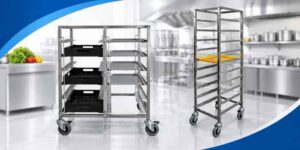
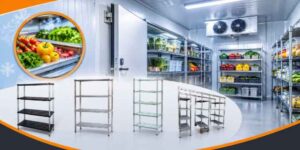
Food processors, cool rooms, hospitals and commercial kitchens need more than strength. They need surfaces that support strict hygiene standards. For these environments, Mantova offers antimicrobial protection that helps limit bacterial growth on shelving surfaces. In addition, businesses that work under food safety programs can review the HACCP approved shelving range to match their compliance needs. You can also check the brand’s listing in the HACCP Australia business directory for independent confirmation.
Choosing the right system
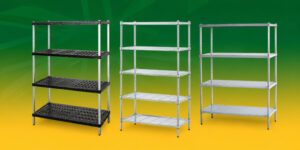
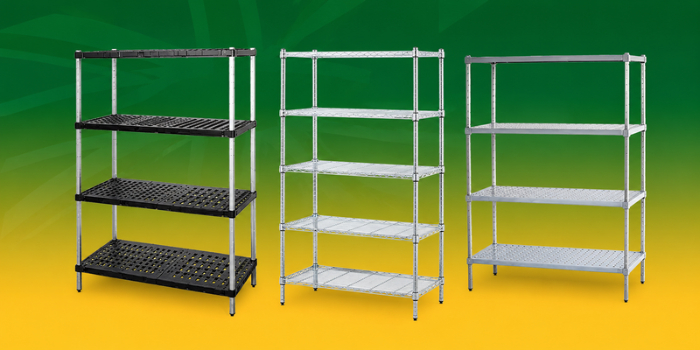
Different spaces demand different shelving. A garage needs flexibility, a warehouse needs heavy-duty capacity, and a retail store needs a neat, accessible layout. To compare options, browse the full shelving range and read this guide to the best option for shelving systems in Australia. Additionally, start with a simple question: how much weight will each shelf carry, and what environment will it face?
When imported shelving might still make sense
Imported shelving still suits some situations. For instance, a short-term pop-up store or a light-duty spare room may not justify a premium product. Nevertheless, you should treat these purchases as temporary and avoid loading them beyond their limits. For any permanent or commercial use, local quality remains the safer choice.
Your buyer’s checklist for Australian-Made Shelving
Before you buy, ask each supplier these questions:
- Where do you fabricate and finish the steel?
- Do you test and document your load ratings?
- Does the system expand and reconfigure easily?
- What warranty and local support do you provide?
- Can you supply parts and add-ons in five years?
If a supplier hesitates on any answer, keep looking.
Key Points: Australian-Made Shelving
- Shelving works as long-term infrastructure, so buy for durability rather than the lowest price.
- “Made in Australia”, “Product of Australia” and the Australian Made logo carry different meanings, so verify each claim.
- Australian conditions, including heat, humidity and salt air, demand strong coatings and quality steel.
- Documented load ratings protect your staff, your stock and your business.
- Australian Standards, such as AS 4084, guide safe steel storage racking design.
- Quality shelving lowers your cost per year of service.
- Modular systems grow, move and adapt with your business.
- Local manufacturing shortens lead times and simplifies spare parts.
- Australian Consumer Law protects your purchase, and local suppliers honour it directly.
- Buying local supports Australian jobs and reduces freight emissions.
FAQs: Australian-Made Shelving
Is Australian-made shelving more expensive than imported shelving?
Australian-made shelving often costs more upfront, but it usually costs less over its lifetime. Cheaper imports tend to bend, rust or fail sooner, so you replace them more often. Freight, delays and returns then add further expense. When you divide the price by the years of reliable service, local shelving typically delivers better value.
How long does steel shelving last in Australian conditions?
Quality steel shelving can serve a business for 10 to 20 years or more. However, lifespan depends on the coating, the load you place on it and the environment. Coastal sites, humid warehouses and wash-down areas wear shelving faster, so you should choose a corrosion-resistant finish and respect the load limits.
How do I check the load rating on shelving?
Ask the supplier for written, tested load ratings for each shelf and each bay. Reputable manufacturers publish this information openly and design to Australian Standards. In addition, never rely on a vague “heavy-duty” label. If a supplier cannot provide numbers, choose another supplier.
Where can I buy Australian-made shelving near me in Sydney, Melbourne, Brisbane or Perth?
You can buy through a local network of suppliers in every major city and many regional areas. Use the find a distributor page to locate a stockist close to you. Alternatively, you can contact the team directly with your project details, and they will point you to the right option.
Does shelving need to meet HACCP requirements in Australia?
Food businesses must keep their premises hygienic and safe, and many follow HACCP-based food safety programs. Therefore, they should choose shelving with smooth, cleanable and food-safe surfaces. HACCP-approved shelving helps you meet these expectations and simplifies audits. Always confirm requirements with your local council or food safety auditor.
What warranty protections do I get when I buy shelving in Australia?
Australian Consumer Law gives you consumer guarantees. These guarantees require goods to be of acceptable quality and fit for their purpose. A local supplier handles claims directly and quickly. Additionally, manufacturers often provide their own warranty on top of these protections, so ask for the details in writing.
Can I get custom-sized shelving for my garage, shed or warehouse?
Yes. Local manufacturers can cut, configure and supply shelving to suit awkward spaces and specific loads. Meanwhile, modular systems let you add bays later without replacing your existing setup. Share your measurements and load needs with a supplier, and they will recommend a suitable layout.
Final thoughts
Australian-made shelving rewards smart buyers. It resists local conditions, supports safer workplaces, lowers lifetime costs and keeps spare parts close by. Moreover, it strengthens local industry and reduces your environmental footprint. Mantova brings these advantages together for businesses that want dependable storage. To see where the team operates, you can also find Mantova on Google Maps. Choose quality now, and your shelving will keep working for you long after the sticker price fades from memory.