Every year, thousands of Australian food businesses face fines, forced closures, and public health incidents — all because of one preventable failure: improper cool room temperatures. Whether you run a bustling café near Melbourne’s Queen Victoria Market, a busy restaurant in Sydney’s CBD, or a wholesale distribution centre in Brisbane, keeping your cool room within legal temperature ranges is not optional. It is the law.
This complete guide covers everything Australian businesses need to know about cool room temperature storage requirements. From FSANZ regulations and state-by-state rules to monitoring systems, maintenance schedules, and industry-specific standards, you will find clear and actionable information here. Mantova supports Australian operators with industry-leading cool room solutions designed to meet every compliance requirement discussed in this guide.
What Are Cool Room Temperature Requirements in Australia?
Cool room temperature requirements in Australia set the legal minimum and maximum storage temperatures for perishable goods — particularly food, beverages, pharmaceuticals, and floristry products. These requirements exist to prevent bacterial growth, protect public health, and ensure product quality throughout the supply chain.
The Australian Regulatory Framework
Food Standards Australia New Zealand (FSANZ) establishes the national framework for food safety in Australia. Specifically, Standard 3.2.2 of the Australia New Zealand Food Standards Code outlines temperature control obligations for all food businesses. This standard applies to every food service business, food retailer, and food manufacturer operating in the country.
In addition to FSANZ, each Australian state and territory enforces its own food safety legislation, which aligns with the national code but can include additional obligations. The Therapeutic Goods Administration (TGA) separately governs pharmaceutical cold storage requirements.
Who Must Comply?
Any business that stores, handles, or distributes potentially hazardous food must comply with cool room temperature requirements. This includes:
- Restaurants, cafés, and takeaway businesses
- Supermarkets, grocery stores, and food retailers
- Hotels and accommodation venues
- Aged care facilities and hospitals
- Pharmaceutical distributors and pharmacies
- Wholesale food distributors and cold storage operators
The Two-Hour / Four-Hour Rule
Key Rule: Potentially hazardous food must not remain in the temperature danger zone (5°C–60°C) for more than 4 hours in total. Food held between 2–4 hours must be used immediately. Food held for more than 4 hours must be discarded.
This rule directly informs how cool rooms must perform under operational conditions, including loading, unloading, and door opening.
Temperature Requirements by Product Category
Understanding the specific temperature range for each product category is essential. Below is a breakdown of the legally required or industry-standard cool room temperatures across common Australian business types.
| Product Category | Required Temperature | Reference |
| Chilled ready-to-eat food | ≤ 5°C | FSANZ Standard 3.2.2 |
| Raw meat and poultry | 0°C – 5°C | FSANZ Standard 3.2.2 |
| Seafood (fresh) | 0°C – 4°C | FSANZ Standard 3.2.2 |
| Dairy products and eggs | ≤ 5°C | FSANZ Standard 3.2.2 |
| Fresh fruit and vegetables | 2°C – 8°C | Industry standard |
| Pharmaceuticals and vaccines | 2°C – 8°C | TGA guidelines |
| Floristry and event products | 2°C – 10°C | Industry best practice |
| Beverages and wine | 5°C – 12°C | Operator preference |
| Frozen goods | ≤ –18°C | FSANZ Standard 3.2.2 |
Chilled vs. Refrigerated vs. Cool Room: What Is the Difference?
Many operators use these terms interchangeably, but they carry different meanings in a compliance context.
- Chilled storage refers to any temperature between 0°C and 5°C, typically for ready-to-eat food.
- Refrigerated storage broadly covers the 0°C–8°C range and applies to most perishable goods.
- Cool room storage describes a dedicated, walk-in or modular refrigeration space, generally maintained at 1°C–5°C for food compliance purposes.
Pharmaceutical Cool Rooms
Pharmaceutical businesses operating in Australia must follow TGA requirements for cold chain storage. Vaccines, insulin, and many biologics require a consistent 2°C–8°C environment. Mantova designs purpose-built pharmaceutical cool rooms with backup power systems and validated temperature monitoring to meet these strict requirements.
Frozen Storage vs. Cool Room Storage
Cool rooms are not freezer rooms. A standard cool room maintains temperatures above 0°C for chilled storage, whereas a freezer room operates at –18°C or below. Businesses that store both chilled and frozen products need separate spaces — combining them in one unit almost always results in compliance breaches.
Types of Cool Rooms and Their Uses
Choosing the right type of cool room for your business affects both compliance and operational efficiency. Here are the main options available to Australian businesses.
Walk-In Cool Rooms
Walk-in cool rooms are the most common solution for commercial kitchens, supermarkets, and food production facilities. They offer large storage capacity and allow staff to enter the space to retrieve or organise stock. Businesses near high-footfall areas — such as a food hall at Melbourne’s Queen Victoria Market or a hotel kitchen in the heart of Sydney near the iconic Harbour Bridge — benefit significantly from walk-in units that handle heavy daily use.
Modular Cool Rooms
Modular cool rooms offer flexible installation options for businesses with unusual spaces or growing storage needs. They consist of insulated panels assembled on-site, making them ideal for warehouses, event venues, and regional operators.
Blast Chillers
Blast chillers rapidly reduce the temperature of hot food from 70°C to below 5°C within 90 minutes, which directly satisfies the two-hour/four-hour rule. Many food safety auditors in Australia now consider blast chillers best practice for commercial kitchens that cook in large batches.
Cool Rooms vs. Cold Rooms: Terminology Guide
In the Australian market, “cool room” and “cold room” are often used interchangeably. However, some suppliers distinguish between them based on temperature range, with cool rooms typically operating above 0°C and cold rooms potentially including sub-zero configurations. Always confirm the operating range when purchasing or leasing commercial refrigeration equipment.
Australian Regulations and Compliance Standards
Staying compliant with cool room temperature requirements means understanding both the national framework and your specific state obligations.
FSANZ Standard 3.2.2: Temperature Control
Standard 3.2.2 is the primary regulation governing temperature control for food businesses in Australia. It requires that:
- Potentially hazardous food is stored under temperature control at all times.
- Food businesses maintain equipment capable of keeping food at or below 5°C or at or above 60°C.
- Staff follow documented procedures for monitoring, recording, and responding to temperature excursions.
State and Territory Differences
While all states and territories adopt the national Food Standards Code, each jurisdiction enforces it through its own food safety legislation and inspection regime.
- New South Wales: The NSW Food Authority conducts inspections and issues improvement notices under the Food Act 2003 (NSW).
- Victoria: The Department of Health and local councils enforce the Food Act 1984 (Vic).
- Queensland: Queensland Health oversees compliance under the Food Act 2006 (Qld).
- Western Australia: Environmental Health officers enforce the Food Act 2008 (WA).
- South Australia, Tasmania, Northern Territory, ACT: Each enforces its own Food Act, aligned to the national code.
Consequently, a business operating cool rooms across multiple states must understand each jurisdiction’s specific inspection procedures and documentation requirements.
HACCP and Temperature Compliance
Hazard Analysis and Critical Control Points (HACCP) is a preventive food safety system that places temperature control as one of its most critical monitoring points. In Australia, businesses that follow a certified HACCP plan — and demonstrate accurate cool room temperature records — typically perform better during regulatory audits. Mantova integrates HACCP-ready temperature logging systems into its cool room designs to help businesses build a defensible compliance record from day one.
Does Australian Standard AS 1055 Apply?
AS 1055 covers acoustics and is not directly applicable to cool rooms. However, AS/NZS 1677 and AS/NZS 4776 are relevant to refrigeration systems and electrical installations respectively. Always consult a licensed refrigeration engineer when installing commercial cool rooms to ensure full compliance.
Temperature Monitoring and Record-Keeping
Proper temperature monitoring forms the backbone of cool room compliance in Australia. Without accurate records, businesses cannot prove compliance during audits or defend themselves against liability claims.
Why Temperature Records Matter
Food safety auditors across Australia require businesses to produce temperature logs that show consistent cool room performance over time. These records protect your business in three key situations:
- Regulatory inspections by local council or state health authorities.
- Insurance claims following a power failure or equipment breakdown.
- Civil liability actions following a food safety incident.
Manual vs. Digital Temperature Logging
Manual logging involves staff recording temperatures on paper at set intervals — typically twice per day. While this method satisfies minimum regulatory requirements, it introduces human error and gaps in after-hours monitoring.
Digital data loggers and wireless IoT sensors automatically record temperature at programmed intervals — often every 5–15 minutes — and store the data electronically. This provides a comprehensive audit trail without relying on staff to remember.
What to Look for in a Data Logger
When selecting temperature monitoring equipment for your cool room, consider the following:
- Calibration certification: The logger must be calibrated to a traceable national standard (NATA-accredited calibration is preferred in Australia).
- Battery life and backup: A minimum of 12 months’ battery life with tamper-proof storage.
- Alert functionality: Automatic SMS or email alerts when temperatures breach set thresholds.
- Cloud storage: Remote access to historical data for multi-site operators.
Alert and Response Systems
Australian food safety regulations do not prescribe a specific response time to temperature alarms. However, industry best practice requires businesses to respond within 30 minutes of a temperature breach notification during operating hours, and within 2 hours after hours. Businesses near busy precincts — such as a hotel near Sydney’s Royal Botanic Garden or a restaurant in Brisbane’s South Bank Parklands — often benefit from remote monitoring systems that alert staff via mobile, regardless of their location.
How Long to Keep Temperature Records
- NSW, VIC, QLD: Minimum 3 years for most food businesses.
- Pharmaceutical businesses (TGA): Minimum 5 years.
- Aged care facilities: Minimum 7 years in some jurisdictions.
Always check your specific state requirements and consult your food safety supervisor.
Cool Room Equipment and Maintenance
Even the best cool room design will fail to maintain required temperatures if the equipment is poorly maintained. Regular servicing protects both compliance and energy efficiency.
Insulation Standards
The insulation panels of your cool room determine how well it resists heat transfer from the outside environment. In Australia’s warm and humid climates — particularly in Queensland, the Northern Territory, and Western Australia — inadequate insulation leads to persistent temperature fluctuation and higher energy costs.
- Standard commercial panels: 75mm–100mm polyurethane insulation (minimum R2.5 for most Australian climates).
- High-temperature environments: 100mm–150mm panels recommended.
- Pharmaceutical and aged care: Always consult a specialist engineer for panel specification.
Door Seals and Entry Protocols
Door seals are one of the most common sources of temperature loss in commercial cool rooms. Furthermore, every door opening allows warm air to enter, which temporarily raises the internal temperature. To minimise this risk, businesses should:
- Inspect door seals monthly and replace them when cracking or deformation is visible.
- Install PVC strip curtains or air curtains at cool room entries.
- Train staff to keep doors closed when not actively retrieving stock.
- Consider air-lock vestibules for high-traffic operations.
Evaporator and Condenser Maintenance
The evaporator coil inside the cool room and the condenser unit outside must be cleaned regularly. Dust, grease, and ice build-up on these components reduce efficiency and cause temperature fluctuations.
Recommended maintenance schedule:
| Component | Frequency |
| Evaporator coil inspection | Monthly |
| Condenser coil cleaning | Quarterly |
| Refrigerant level check | Six-monthly |
| Full system service by licensed refrigeration technician | Annually |
Mantova’s service team provides scheduled maintenance contracts for Australian operators, ensuring cool rooms consistently perform within required temperature ranges throughout the year.
Signs Your Cool Room Is Losing Efficiency
Watch out for these warning signs:
- Temperature readings trending 1–2°C above your set point
- Ice forming on evaporator coils or walls
- Compressor running continuously without reaching set temperature
- Condensation or frost on door frames
- Rising energy bills without a change in usage
Cold Chain Management and Goods Receiving
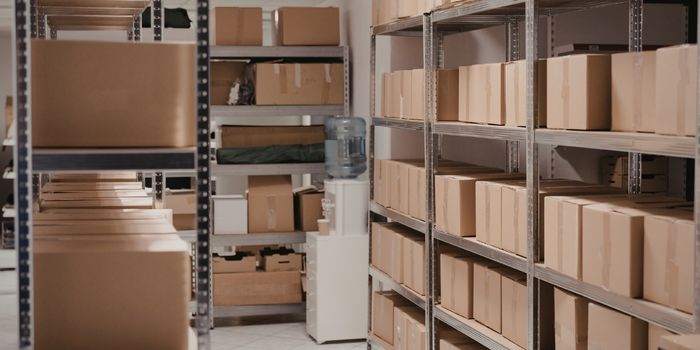
A cool room is only one part of the cold chain. Temperature control must extend from the point of origin to the point of consumption — including the moment goods arrive at your loading dock.
Receiving Protocols
When goods arrive at your premises, your team should follow a documented receiving process that includes temperature checking at delivery. Under FSANZ Standard 3.2.2, businesses must not accept goods that fall outside required temperature ranges.
Standard receiving checks:
- Use a calibrated probe thermometer to check the core temperature of chilled deliveries.
- Record the delivery temperature in your goods receiving log.
- Reject deliveries where the product temperature exceeds 8°C for chilled goods (or as specified in your food safety plan).
- Transfer goods to cool room storage within 15–30 minutes of receiving.
Transit Temperature Requirements
Suppliers and distributors who transport chilled or frozen goods in Australia must also comply with relevant temperature standards. Refrigerated vehicles must maintain product temperatures consistent with FSANZ requirements, and drivers must carry temperature logs for each delivery.
First In, First Out (FIFO) and Stock Rotation
FIFO is a simple but critical practice. Newly received stock goes to the back of the cool room, while older stock moves to the front for earlier use. This practice minimises the risk of expired products and reduces food waste. Additionally, proper stock rotation lowers the risk of a temperature-sensitive product being buried at the back and forgotten.
Cross-Contamination Prevention
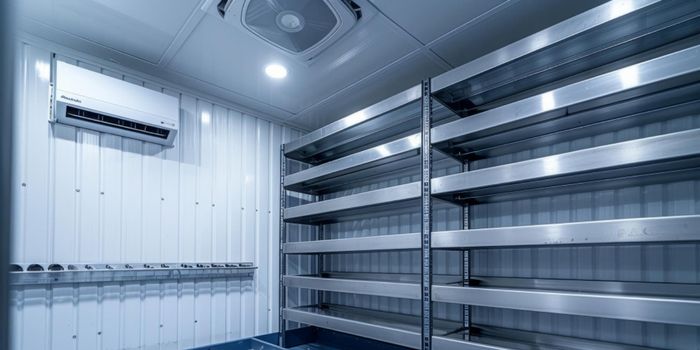
During loading and unloading, raw meat and ready-to-eat foods must never share the same space without separation. Australian food safety regulations require raw proteins to be stored below ready-to-eat foods to prevent drip contamination. Therefore, cool room shelving layout matters as much as temperature.
Industry-Specific Applications
Cool room temperature requirements vary somewhat across industries. Here is what businesses in key Australian sectors need to know.
Restaurants and Cafés
Restaurant operators face a unique challenge: cool rooms are opened and closed dozens of times during a service period. Consequently, temperatures fluctuate frequently, and monitoring becomes critical. Businesses near high-footfall tourist destinations — such as a café overlooking the Royal Botanic Gardens in Melbourne or a restaurant adjacent to Sydney’s Darling Harbour — often operate at full capacity for extended hours, which increases temperature control risk.
Best practice for restaurant cool rooms includes setting the target temperature at 2°C–3°C (rather than the maximum 5°C), so there is a buffer during busy service periods.
Supermarkets and Grocery Retail
Supermarkets operate both display refrigeration and back-of-house cool rooms. Regulatory requirements apply equally to both. Additionally, larger retailers must comply with product-specific temperature zones for different categories — a single back-of-house cool room storing both seafood (0°C–4°C) and fruit (2°C–8°C) requires careful zoning or separate rooms.
Aged Care Facilities
Aged care facilities operate under heightened regulatory scrutiny, particularly following the Royal Commission into Aged Care Quality and Safety. Food safety inspections at aged care homes are conducted more frequently than at general food businesses, and temperature logs are examined closely. Therefore, facilities must invest in reliable cool room systems with continuous monitoring and well-documented maintenance schedules.
Pharmaceutical and Medical Storage
TGA-regulated pharmaceutical businesses must validate their cool room environments before storing stock. Validation involves mapping the temperature distribution across the entire cool room at both minimum and maximum loading conditions. Mantova provides temperature mapping services and validated cool room systems for Australian pharmaceutical operators.
Floristry and Event Hire
Florists and event businesses use cool rooms primarily to slow the ageing of flowers and perishable decorations. While food safety legislation does not apply to floristry, maintaining consistent temperatures between 2°C and 10°C significantly extends product life. The regulatory focus here is energy efficiency and operational cost rather than legal compliance.
Penalties for Non-Compliance
Non-compliance with cool room temperature requirements carries serious consequences for Australian businesses.
Regulatory Inspections
Local councils and state health authorities conduct routine and complaint-driven inspections of food businesses across Australia. Inspectors check:
- Current cool room temperatures at the time of inspection
- Temperature log records for the preceding weeks or months
- Equipment maintenance records
- Staff training documentation
Fines and Improvement Notices
Penalties for temperature control breaches vary by state, but they are substantial:
- NSW: Improvement notices and fines up to $55,000 for serious breaches.
- Victoria: On-the-spot fines and compliance orders; serious offences carry penalties up to $198,264 for a body corporate.
- Queensland: Improvement notices, immediate closures for serious risk, and fines up to $131,895 for businesses.
Beyond financial penalties, a public health incident linked to inadequate temperature control can permanently damage your brand’s reputation and trigger civil liability claims from affected customers.
How a Temperature Excursion Log Protects You
A well-maintained excursion log — documenting every instance of a temperature breach, its duration, the cause, and the corrective action taken — demonstrates due diligence to regulators. Businesses with proactive excursion logs routinely receive more favourable treatment during inspections than those with no records at all.
Cool Room Temperature Best Practices for Australian Businesses
Beyond meeting minimum legal requirements, forward-thinking Australian businesses adopt the following best practices to maximise cool room performance and protect their licence to operate.
Best Practice 1: Set Your Target Temperature Lower Than the Legal Maximum
Set your cool room to 2°C–3°C rather than 5°C. This buffer protects you during door openings, defrost cycles, and high ambient temperature days — particularly in summer months across Queensland, the Northern Territory, and Western Australia.
Best Practice 2: Pre-Cool Before Loading
Before loading a warm batch of stock into your cool room, pre-cool the space to its lowest operating temperature. Placing warm goods directly into a cool room raises the internal temperature and can trigger a temperature breach.
Best Practice 3: Calibrate Thermometers Regularly
All thermometers and temperature sensors used for compliance purposes must be calibrated against a traceable national standard. NATA-accredited calibration services are available across Australia and provide the documentation required by food safety auditors.
Best Practice 4: Install a Backup Power System
Power outages — whether from storms, grid failures, or accidental tripping of circuit breakers — are a leading cause of temperature excursions in commercial cool rooms. A UPS (uninterruptible power supply) or backup generator protects your stock and prevents compliance breaches during outages.
Best Practice 5: Create a Temperature Control Plan (TCP)
A Temperature Control Plan documents your business’s specific cool room temperature targets, monitoring frequency, alert thresholds, corrective action procedures, and staff responsibilities. A well-constructed TCP aligned to HACCP principles is the most effective tool for maintaining consistent compliance year-round.
FAQs: Cool Room Temperature Storage Requirements
1. What temperature should a cool room be in Australia?
Under FSANZ Standard 3.2.2, a cool room storing potentially hazardous food in Australia must maintain a temperature at or below 5°C. Most food safety consultants recommend setting the operating target at 2°C–3°C to allow a buffer for door openings, seasonal ambient heat, and equipment variation. Pharmaceutical cool rooms must maintain 2°C–8°C as required by the TGA.
2. What are the cool room temperature requirements in NSW?
In New South Wales, cool room temperature requirements are governed by the Food Act 2003 (NSW) and align with FSANZ Standard 3.2.2. Chilled potentially hazardous food must be stored at or below 5°C. The NSW Food Authority conducts inspections and can issue improvement notices, on-the-spot fines, or orders to close premises where temperature control failures present a serious risk to public health. Businesses in NSW must also maintain temperature records for a minimum of three years.
3. What are the cool room temperature requirements in Victoria?
Victorian businesses must comply with the Food Act 1984 (Vic) and FSANZ Standard 3.2.2. Chilled food storage must maintain ≤ 5°C at all times. Melbourne’s local councils conduct routine food safety inspections, and businesses that fail to demonstrate adequate temperature control face improvement notices, fines, or immediate suspension of their food safety program registration. Operators near popular precincts such as Lygon Street, Southbank, or the Yarra Valley food tourism corridor face regular inspection activity.
4. What are the cool room temperature requirements in Queensland?
In Queensland, the Food Act 2006 (Qld) enforces FSANZ Standard 3.2.2 requirements. Cool rooms storing chilled food must maintain temperatures at or below 5°C. Queensland Health and local government environmental health officers conduct inspections across the state. Businesses in tourist-heavy areas such as Cairns’ Esplanade precinct, the Gold Coast hospitality strip, and Brisbane’s South Bank Parklands are particularly subject to frequent inspection activity given the high volume of food services in these areas.
5. How often should cool room temperatures be recorded in Australia?
Australian food safety regulations do not prescribe a single mandatory recording frequency. However, the Food Safety Standards require businesses to implement a food safety program that includes temperature monitoring as a critical control point. Most food safety auditors in Australia recommend a minimum of twice daily manual recording (opening and closing), or continuous digital monitoring at 5–15 minute intervals using a calibrated data logger. The more frequently you record, the more complete your audit trail — and the better protected your business is during inspections.
6. What are the penalties for incorrect food storage temperatures in Australia?
Penalties vary by state. In NSW, serious temperature control breaches can attract fines of up to $55,000 for individuals and significantly more for corporations. In Victoria, body corporates face penalties exceeding $198,000 for serious offences. And In Queensland, fines can exceed $131,000. Beyond financial penalties, businesses may receive improvement notices, be subject to mandatory closure, or face civil liability claims from customers who suffer illness as a result of temperature-related food spoilage. Maintaining detailed temperature records and a documented corrective action process is the most effective way to minimise your exposure.
7. What is a pharmaceutical cool room and how does it differ from a food cool room?
A pharmaceutical cool room is a validated cold storage environment designed to maintain a consistent 2°C–8°C temperature in compliance with TGA guidelines. Unlike food cool rooms, pharmaceutical cool rooms must undergo formal temperature mapping validation — a process that maps temperature distribution across the entire storage space at minimum and maximum product loading. The data from this validation must be documented and retained for a minimum of five years. Additionally, pharmaceutical cool rooms require validated monitoring systems with documented alarm response procedures, and backup power or redundant cooling systems to prevent temperature excursions during outages.
8. How do I know if my cool room meets Australian food safety standards?
To confirm your cool room meets Australian food safety standards, you should: (1) verify the unit maintains temperatures at or below 5°C consistently throughout the day, including during peak loading periods; (2) confirm you have a calibrated temperature monitoring system with documented logs; (3) check your maintenance records are current and conducted by a licensed refrigeration technician; (4) review your food safety program or HACCP plan to ensure cool room temperature control is identified as a critical control point; and (5) consult your local council’s environmental health officer or an accredited food safety auditor for a formal compliance assessment. Mantova offers compliance reviews and purpose-built cool room upgrades for Australian businesses that need to bring their cold storage up to the required standard.
Conclusion
Cool room temperature storage requirements in Australia exist to protect public health, maintain product quality, and give businesses a clear and enforceable standard to operate by. Whether you run a restaurant in the shadow of Sydney’s iconic Opera House, a supermarket in suburban Perth, or a pharmaceutical distribution centre in Adelaide, the rules are the same: keep your chilled products at or below 5°C, monitor temperatures consistently, maintain detailed records, and service your equipment regularly.
Meeting these requirements does not need to be complicated. With the right cool room system, the right monitoring tools, and a well-documented food safety plan, compliance becomes a straightforward part of daily operations rather than a source of stress.
Mantova specialises in commercial cool room solutions that are designed for the Australian market, built to exceed FSANZ and TGA requirements, and backed by a national service and maintenance network. If your current cool room setup is not keeping pace with compliance demands, contact the Mantova team today to discuss a solution that is built for Australian conditions.
Note: This guide was prepared for informational purposes. For specific legal advice regarding your business’s compliance obligations, consult a qualified food safety consultant or your relevant state food authority.