Picture this: you are preparing a beautiful schnitzel for a weeknight dinner, and midway through tenderising the meat, the head of your mallet flies off the handle. Sound familiar? Australians who cook regularly know this frustration all too well. Cheap, two-piece meat mallets fail at the worst moments, and worse still, they harbour bacteria in the joint between the head and handle — a serious food safety concern that most people overlook.
Fortunately, there is a smarter solution. One-piece cast aluminium meat mallets eliminate every one of these problems in a single, elegant design. In this post, we explore exactly why this style of mallet is a worthwhile investment for any Australian home cook or professional kitchen. We also take a close look at the Mantova #1278 — a purpose-built, one-piece cast aluminium meat mallet that delivers outstanding performance and hygiene in one tool.
What Is a One-Piece Cast Aluminium Meat Mallet?
A one-piece cast aluminium meat mallet is exactly what the name suggests: a mallet that manufacturers cast entirely from a single piece of aluminium, with no separate handle, no screws, no inserts, and no joints of any kind. This construction method differs significantly from the traditional two-piece design, where a wooden or plastic handle attaches to a separate metal head.
Cast aluminium refers to the process of pouring molten aluminium into a mould to create the entire tool in one go. The result is a rigid, consistent, and extremely durable piece of kitchen equipment that does not loosen, warp, or separate over time.
By contrast, wooden mallets absorb moisture and bacteria, and their metal heads loosen with repeated use. Plastic-handled mallets crack under pressure. Two-piece designs of any material always carry the risk of the head detaching — both a usability problem and a hygiene hazard.
Quick Comparison: Mallet Types at a Glance
| Feature | One-Piece Cast Aluminium | Two-Piece (Wood/Plastic) | Wooden Mallet |
| Hygiene | Excellent — no crevices | Poor — joints trap bacteria | Poor — absorbs moisture |
| Durability | Very High | Moderate | Low to Moderate |
| Weight Balance | Consistent always | Loosens over time | Variable |
| Ease of Cleaning | Dishwasher safe | Often hand-wash only | Hand-wash only |
| Lifespan | Many years | 1–3 years typically | 1–2 years typically |
| Safety | High — no loose parts | Risk of head detaching | Risk of head detaching |
The Problem with Two-Piece Mallets
Most Australians start with a cheap two-piece mallet — and most Australians eventually regret it. Here is why these tools fall short, and why the problems matter more than you might think.
First, the loose head issue. Manufacturers attach the head to the handle via a screw, rivet, or press-fit mechanism. With repeated heavy use, this joint loosens. Before long, the mallet wobbles mid-use, and the head eventually detaches entirely. This is a safety risk and a cooking frustration.
Second, bacteria accumulates in the joint gap. When you use a two-piece mallet on raw meat, juices and fat enter the gap between the head and handle. Standard washing does not reach these crevices, which means bacteria thrives in places you cannot clean. This creates a genuine food safety risk that builds up over time.
Third, the uneven weight distribution reduces tenderising effectiveness. A loosened joint shifts the balance of the mallet, so you apply inconsistent force with every strike. The result is unevenly tenderised meat — which affects both texture and cooking time.
Finally, two-piece mallets simply do not last. Wooden handles crack, plastic handles snap, and the repeated stress of heavy use breaks down the joint connection. Most home cooks replace cheap mallets every year or two, which adds up financially over time.
Key Benefits of One-Piece Cast Aluminium Meat Mallets
Now that we understand the problems with traditional mallets, let us explore the specific advantages that make one-piece cast aluminium the superior choice.
1. Superior Hygiene — No Bacteria Hiding Spots
Because manufacturers cast these mallets entirely from aluminium, there are no joints, seams, or gaps anywhere on the tool. Raw meat juices have nowhere to accumulate. You rinse the mallet under water, and every surface is fully accessible. This makes one-piece cast aluminium mallets the most hygienic option available for raw meat preparation — a critical consideration for any kitchen that takes food safety seriously.
2. Built to Last — True Buy-It-Once Quality
Cast aluminium does not rust, warp, crack, or corrode under normal kitchen conditions. It handles repeated heavy use without degrading. Unlike wooden or plastic alternatives, it does not absorb moisture, and unlike two-piece designs, it has no weak joint to eventually fail. A quality one-piece cast aluminium mallet lasts many years — potentially decades — with minimal care. Over time, this durability makes it significantly cheaper than replacing budget mallets repeatedly.
3. Consistent Weight and Tenderising Power
Because the entire mallet is one solid piece, the weight distribution remains constant throughout its lifetime. There is no joint to loosen and no imbalance to develop. This consistency means every strike delivers predictable, even force — which produces consistently tenderised meat. Whether you are preparing chicken schnitzel, flattening a piece of topside for a roll, or tenderising a rump steak, the mallet performs the same way every single time.
4. Effortless Maintenance
Wooden mallets need oiling and careful drying. Two-piece mallets require gentle washing to avoid loosening the joint further. One-piece cast aluminium mallets need neither. Most are fully dishwasher safe. A quick rinse after use is all that most cooks require. The lack of any maintenance ritual makes these mallets genuinely convenient for busy home kitchens and professional settings alike.
5. Long-Term Cost Efficiency
Yes, a quality one-piece cast aluminium mallet costs more upfront than a budget two-piece option. However, when you consider that the cast aluminium version lasts many years without replacement, the cost-per-use drops dramatically. Two-piece mallets at $10–$15 that you replace every two years cost more over a decade than a $50–$80 cast aluminium model that serves you indefinitely.
Introducing the Mantova #1278 One-Piece Cast Aluminium Meat Mallet
When it comes to dependable, professional-grade kitchen tools in Australia, Mantova delivers products that serious cooks trust. The Mantova #1278 is a standout example of one-piece cast aluminium construction done right.
| Part No. | Details | Finish |
| #1278 | Mallet Head: 60mm square, 75mm wide
Handle: 220mm Long |
Aluminium |
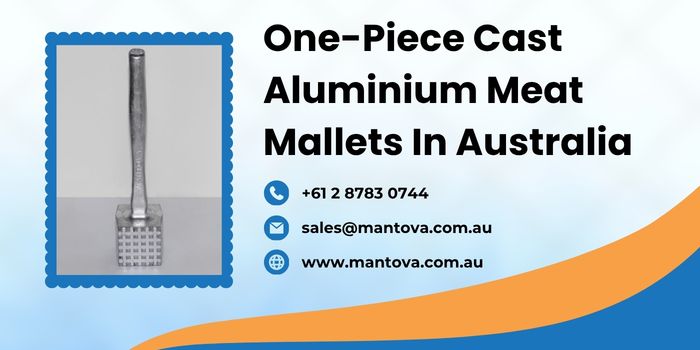
The Mantova #1278 features a 60mm square, 75mm wide mallet head attached to a 220mm long handle — all cast as one seamless aluminium unit. Because manufacturers cast the entire tool from aluminium, it is exceptionally easy to clean. There is no wooden handle or any places for bacteria to harbour, which makes it one of the most food-safe meat mallets available to Australian home cooks and professionals alike.
The dimensions strike an ideal balance: the head is large enough to cover a reasonable striking area per blow, while the 220mm handle provides comfortable grip and excellent control. The overall weight delivers sufficient impact for tenderising without requiring excessive physical effort. Mantova designs tools like this with practicality and longevity at the forefront — and the #1278 lives up to that standard completely.
What to Look for When Buying a Cast Aluminium Mallet in Australia
As you shop for one-piece cast aluminium mallets in Australia, keep these factors in mind to ensure you choose the right tool for your kitchen.
- Single-cast construction: Verify the product description confirms one-piece casting. Some products describe themselves as aluminium but still use a separate handle.
- Head size: A 60–75mm wide head suits most home cooking applications. Larger heads cover more surface area per strike but may feel heavy for prolonged use.
- Handle length: A 200–250mm handle provides good leverage and control. The Mantova #1278 sits right in this sweet spot at 220mm.
- Textured vs flat face: Textured (pyramid) faces break down muscle fibre more aggressively — ideal for tougher cuts. Flat faces work well for flattening chicken or veal for schnitzel.
- Price range: Expect to pay $30–$80 AUD for a quality cast aluminium mallet in Australia. Anything significantly cheaper may cut corners on casting quality.
- Where to buy: Look at kitchenware specialty stores, restaurant supply shops, and reputable online retailers that stock professional-grade tools.
Care and Longevity Tips for Your Cast Aluminium Mallet
One of the best things about this type of mallet is how little maintenance it needs. Nevertheless, follow these simple tips to get the longest possible life from your tool.
- Rinse promptly after use: Do not let raw meat juices sit on the surface for extended periods. A quick rinse under warm water after use prevents any residue build-up.
- Dishwasher use: Most cast aluminium mallets are dishwasher safe. Place them away from other metal items to prevent surface scratching.
- Dry before storing: Although aluminium does not rust, drying the mallet before storing it in a drawer or utensil rack keeps it in pristine condition.
- Inspect occasionally: Even though there is very little that can go wrong with a one-piece design, a quick visual check every few months ensures the surface remains in good condition.
- Avoid harsh abrasives: A soft cloth or sponge cleans the surface easily. There is no need for steel wool or abrasive cleaners.
Key Points: One-Piece Cast Aluminium Meat Mallets
- One-piece construction eliminates the most common failure point of traditional mallets — the joint between head and handle.
- Cast aluminium offers no crevices for bacteria to harbour, making it the most hygienic mallet material available.
- The consistent weight distribution of a solid aluminium mallet delivers even, reliable tenderising results every time.
- Aluminium does not rust, crack, warp, or corrode, which means the mallet maintains its performance for many years.
- The absence of wooden or plastic components means no moisture absorption and no material degradation over time.
- One-piece mallets are fully dishwasher safe, which eliminates the careful hand-washing required for two-piece designs.
- The upfront cost is higher, but the long lifespan dramatically reduces the cost-per-use compared to cheap replacements.
- Australian home cooks who regularly prepare schnitzels, stuffed meats, and braised cuts benefit the most from this tool.
- The Mantova #1278 exemplifies this design with its 60mm square head, 75mm width, and 220mm handle — all in one aluminium cast.
- Choosing a one-piece cast aluminium mallet is a decision you make once — and then simply enjoy for years without regret.
Frequently Asked Questions (FAQs)
Q1: Where can I buy a one-piece cast aluminium meat mallet in Australia?
You can find one-piece cast aluminium meat mallets through several channels in Australia. Kitchenware specialty stores, restaurant supply shops, and professional cooking equipment retailers stock these tools. Online Mantova distributors who carry commercial kitchen equipment also offer them. When searching online, use terms like ‘one-piece cast aluminium meat mallet Australia’ or ‘professional meat tenderiser Australia’ to find quality options. The Mantova #1278 is a reliable choice available through select Australian kitchenware and food service suppliers.
Q2: Is a cast aluminium meat mallet dishwasher safe in Australia?
Yes, one-piece cast aluminium mallets are generally dishwasher safe. Because the tool contains no wooden components, no painted surfaces, and no joints that moisture can penetrate, it handles the dishwasher cycle without damage. Place it in the cutlery basket or on the bottom rack away from other metal items to prevent scratching. Always check the manufacturer’s specific care instructions to confirm dishwasher safety for your particular model.
Q3: What is the difference between a meat mallet and a meat tenderiser in Australia?
Australians use both terms to describe the same type of tool, and retailers use them interchangeably. Technically, a meat mallet is the broader term for any hammer-shaped kitchen tool used to pound meat, while a meat tenderiser specifically refers to using that tool to break down muscle fibres and connective tissue. In practice, a quality one-piece cast aluminium meat mallet serves both purposes effectively — you flatten meat for schnitzels using the flat face and tenderise tougher cuts using the textured face.
Q4: How heavy should a meat mallet be for home use in Australia?
For most Australian home cooks, a mallet in the 300g–500g range delivers sufficient tenderising power without causing hand or wrist fatigue during extended use. The Mantova #1278 falls within an ideal weight range for home kitchen use. A mallet that is too light requires excessive force to achieve results, while one that is too heavy tires the arm quickly. The balanced weight of a one-piece cast aluminium design means the tool does the work for you with each swing.
Q5: Can I use a cast aluminium meat mallet on chicken breast for schnitzel?
Absolutely. Cast aluminium mallets work excellently for chicken schnitzel preparation. Use the flat face of the mallet to pound the chicken breast to an even thickness of around 5–8mm. Even thickness ensures the schnitzel cooks uniformly from edge to edge, producing a crispier, more consistent result. The solid weight of a one-piece cast aluminium mallet makes this job faster and easier than working with a lighter or imbalanced two-piece tool.
Q6: Is aluminium safe to use for meat preparation in Australia?
Yes, aluminium is a safe material for kitchen tools used in meat preparation. Australia’s food safety standards do not restrict the use of aluminium in kitchen equipment. The surface of a cast aluminium mallet does not react with raw meat during the brief contact time involved in tenderising. Unlike aluminium cookware used for long, acidic cooking, a mallet simply contacts the meat surface momentarily. Regular cleaning after each use maintains the tool in hygienic, food-safe condition.
Q7: How do I know if a meat mallet is truly one-piece and not two-piece?
Check the product description carefully. Genuine one-piece mallets will use phrases like ‘cast entirely from aluminium,’ ‘single-piece construction,’ or ‘no separate handle.’ Look at product images from multiple angles — a one-piece mallet shows a seamless transition from the head to the handle with no visible joint line, screw, or rivet. If the product description mentions a ‘wooden handle,’ ‘plastic handle,’ or ‘attached head,’ it is a two-piece design. The Mantova #1278 description explicitly states that manufacturers cast it entirely from aluminium with no wooden handle or bacteria-harbouring gaps.
Conclusion
The case for one-piece cast aluminium meat mallets is clear and compelling. They outperform two-piece designs in every meaningful way — hygiene, durability, consistency, maintenance, and long-term value. For Australian home cooks who take their kitchen seriously, making the switch is a straightforward decision.
The Mantova #1278 represents exactly what this category of tool should be: a precisely cast, single-piece aluminium mallet with a 60mm square head, 75mm width, and 220mm handle. It contains no wooden components and no joints where bacteria can accumulate. It cleans easily, lasts for years, and delivers reliable tenderising performance every time you use it.
Your food will taste better, your kitchen will be safer, and your wallet will thank you over time. Take a look at the Mantova range of professional kitchen tools and discover the difference that genuine quality makes. Find the Mantova distributors near you across Australia and more.