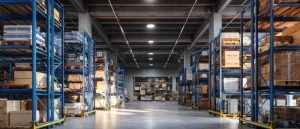
Grocery Store Shelving In Australia plays a critical role in how supermarkets, independent grocers, and convenience stores operate daily. Proper installation directly affects safety, compliance, product presentation, and customer movement throughout the store. Retailers who follow structured installation practices create environments that support efficient operations and long-term scalability.
Shelving installation involves more than assembling components and placing stock. Retailers must consider floor conditions, load ratings, aisle clearances, and Australian safety expectations. When stores plan and install shelving correctly, they reduce operational risks while improving product accessibility and overall store performance.
Understanding Grocery Store Shelving Requirements in Australia
Australian grocery stores handle high product turnover, diverse stock weights, and continuous customer traffic. Shelving systems must support these demands without compromising stability or safety. Installation practices, therefore, require careful planning and methodical execution.
Retail shelving commonly supports packaged foods, beverages, bulk goods, and promotional displays. Each category places different stresses on shelving systems. As a result, installers must align shelving type and configuration with product characteristics and store layout.
Key considerations include:
- Average and maximum load per shelf
- Customer reach height and accessibility
- Visibility across aisles and promotional zones
- Compliance with workplace safety expectations
Planning Grocery Store Shelving Installation
Assessing Retail Floor Space
Retailers should assess the full floor area before installing shelving. Accurate measurements help determine aisle widths, shelf heights, and end-cap placement. Ceiling height also influences shelving configuration, especially in stores that use vertical space for bulk or reserve stock.
Planners should identify:
- High-traffic aisles and entry zones
- Emergency exits and service access points
- Areas reserved for refrigeration or service counters
This assessment ensures that shelving integrates smoothly into the store’s operational flow.
Selecting the Right Shelving System
Different shelving systems suit different retail environments. Grocery stores often combine several shelving types to support varied merchandising needs.
Common options include:
- Gondola shelving for central aisles
- Wall-mounted shelving for perimeter displays
- Heavy-duty shelving for beverages and bulk items
- Modular shelving for seasonal or promotional areas
Retailers sourcing Grocery Store Shelving In Australia often prioritise modular systems that allow reconfiguration as product ranges evolve. Many businesses explore solutions available through Mantova’s dedicated grocery and retail shelving systems to support these needs.
Compliance and Safety Standards for Shelving Installation in Australia
Load-Bearing and Structural Integrity
Every shelving unit includes manufacturer load ratings that define safe weight limits. Installers must distribute weight evenly across shelves to prevent deformation or collapse. Heavier products should always sit on lower shelves to maintain stability.
Retailers should:
- Follow documented load capacities
- Avoid overhanging or uneven product placement
- Recheck load limits after reconfiguration
Workplace Health and Safety Considerations
Australian retailers operate under workplace health and safety obligations that prioritise employee and customer protection. Shelving installation must minimise tipping risks and sharp-edge exposure.
Installers typically:
- Secure tall shelving units to floors or walls
- Use end-of-aisle protection barriers where required
- Ensure shelving edges remain smooth and accessible
Guidance from organisations such as Safe Work Australia supports best practices for safe retail environments.
Fire Safety and Aisle Clearance
Shelving layouts must maintain clear evacuation routes and unobstructed access to fire equipment. Installers should maintain consistent aisle widths and avoid encroaching on designated safety zones.
Key practices include:
- Preserving minimum aisle clearances
- Keeping exits visible and accessible
- Avoiding shelf placement near fire suppression systems
Step-by-Step Best Practices for Installing Grocery Store Shelving
Preparing the Site
Installers should prepare the site before assembling shelving components. Level floors support stable installations and prevent long-term misalignment. Marking shelf locations in advance helps ensure straight aisles and uniform spacing.
Preparation steps include:
- Cleaning and leveling floor surfaces
- Confirming final layout measurements
- Identifying anchor points and services
Correct Assembly and Anchoring
Installers must follow the manufacturer’s instructions during assembly. Proper anchoring prevents movement and improves long-term safety. Anchors should match floor type and shelving load requirements.
Best practices include:
- Using approved fasteners and anchors
- Tightening all fixings to specification
- Checking vertical alignment during installation
Shelf Height and Product Accessibility
Shelf height affects both safety and customer experience. Installers should position frequently purchased items within comfortable reach. Upper shelves should remain accessible without stretching or climbing.
Effective spacing:
- Improves product visibility
- Reduces staff restocking strain
- Enhances customer comfort
Optimising Store Layout Through Shelving Installation
Shelving installation shapes how customers navigate a grocery store. Clear sightlines and logical aisle flow encourage browsing and reduce congestion. End caps provide valuable space for promotions and seasonal products.
Optimised layouts often:
- Guide customers through the full store
- Highlight high-margin or promotional items
- Improve dwell time and basket size
Retailers frequently adjust layouts over time, making modular shelving systems particularly valuable.
Common Mistakes to Avoid During Shelving Installation
Even well-equipped retailers encounter installation issues when planning falls short. Avoiding common mistakes protects safety and preserves long-term shelving performance.
Frequent errors include:
- Overloading shelves beyond rated limits
- Installing shelving without anchoring
- Blocking emergency exits or equipment
- Ignoring future expansion requirements
By addressing these risks early, retailers maintain safe and adaptable store environments.
Maintaining and Inspecting Grocery Store Shelving
Post-installation maintenance ensures continued safety and reliability. Regular inspections help identify loose fixings, bent components, or uneven loading. Staff should address minor issues immediately to prevent escalation.
Ongoing maintenance practices include:
- Routine visual inspections
- Retightening fixings as needed
- Replacing damaged shelves promptly
Retailers who prioritise maintenance extend shelving lifespan and reduce operational disruptions.
Why Quality Shelving Solutions Matter for Australian Retailers
High-quality shelving supports operational efficiency and compliance over many years. Durable materials withstand constant use and frequent reconfiguration. Well-designed systems also support consistent branding and merchandising strategies.
Many Australian retailers work with established suppliers like Mantova to source shelving designed for demanding commercial environments. Access to local distributors through the Mantova distributor network further simplifies procurement and support across regions.
Key Takeaways
- Grocery store shelving installation directly affects safety, efficiency, and customer experience.
- Proper planning ensures compliance with Australian retail and safety expectations.
- Load ratings, anchoring, and aisle clearance require consistent attention.
- Modular shelving systems support future growth and layout changes.
- Ongoing maintenance preserves shelving performance and safety.
FAQs For Grocery Store Shelving Installation
How long does grocery store shelving installation take in Australia?
Installation time depends on store size, shelving type, and layout complexity. Small stores may complete installation within days, while larger supermarkets require staged installations. Professional planning reduces downtime and accelerates completion.
Do grocery store shelves need anchoring under Australian conditions?
Most tall or heavy shelving requires anchoring to meet safety expectations. Anchoring reduces tipping risks and supports compliance across retail environments. Installers should follow manufacturer and site-specific guidance.
What load capacity should grocery store shelving support?
Load capacity varies by shelving design and materials. Retailers should select shelving rated for the heaviest products they stock. Proper distribution remains essential even with high-capacity systems.
How often should grocery store shelving undergo inspection?
Retailers should inspect shelving regularly, especially after layout changes or heavy restocking. Scheduled inspections help identify wear early and maintain safe conditions. Many stores perform monthly visual checks.
Can grocery store shelving layouts change after installation?
Modular shelving systems support reconfiguration as product ranges evolve. Retailers often adjust layouts to support promotions or seasonal demand. Flexible systems reduce future fit-out costs.
Support for Retail Shelving and Fit-Out Projects
Retailers who plan or upgrade shelving systems benefit from expert guidance and reliable supply. Professional support helps align shelving installation with store layout, compliance needs, and long-term growth objectives. For tailored advice or project assistance, retailers can connect through the Mantova team or submit enquiries via the contact us to discuss suitable shelving and fit-out solutions.