A disorganised cool room costs Australian food businesses money every day. Spoiled stock drains profit, cluttered shelves slow down service, and poor storage habits put your next council inspection at risk. However, you can fix all three problems with a clear system. This guide shows you how to organise a commercial cool room for better food storage, step by step. It also explains how Mantova helps restaurants, cafes, caterers and butchers across Australia keep their cool rooms safe, tidy and efficient.
Why Cool Room Organisation Matters
First, good organisation protects food safety. Australian businesses must keep potentially hazardous food at 5°C or below under the Food Standards Code, so a cluttered cool room makes compliance harder. Next, it cuts waste. Staff find older stock quickly, so they use it before it spoils. Moreover, it speeds up prep, because cooks grab what they need without hunting through boxes. Finally, it protects your equipment. An overloaded cool room forces the compressor to work harder, and that raises your energy bills during those long Australian summers.
Step 1: Start With a Clean-Out and Stock Audit
Begin with a full reset. Empty the cool room completely and check every date. Discard anything expired or compromised. Then scrub the shelves, walls, floor and door seals with a food-safe sanitiser. As you restock, record what you hold and how much of it. This list gives you the data you need to plan your zones in the next step.
Step 2: Plan Your Cool Room Layout
Your layout decides how fast your team works. Therefore, plan it before you place a single box.
Create zones by food type. Assign separate areas to dairy, fruit and vegetables, raw meat and seafood, prepared foods and beverages. Zoning keeps allergens, raw produce and cooked items apart.
Keep high-use items near the door. Your team grabs milk, sauces and daily prep items most often, so place them within easy reach. Similarly, store slow-moving bulk stock toward the back.
Leave room for airflow. Never block the evaporator fan or vents. Cold air must circulate around every shelf, or you will create warm spots that spoil food.
Keep walkways clear. A clear path reduces slips, speeds up deliveries and shortens door-open time.
Step 3: Choose the Right Shelving
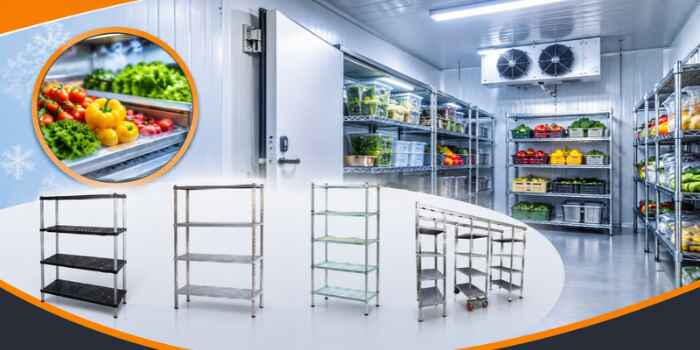
Shelving forms the backbone of any organised cool room. Cold, damp conditions destroy cheap shelving quickly, so rust and warping quickly become problems. Look for corrosion-resistant materials such as stainless steel, epoxy-coated wire or polymer. Open wire designs also let air pass through, which keeps temperatures even across every level.
Adjustable units give you flexibility as your menu and stock levels change. In addition, strong commercial cool room shelving keeps all stock off the floor, which supports hygiene and makes cleaning easier. Mantova supplies shelving built for these demanding cold-storage environments, so your cool room stays tidy for years rather than months.
Compliance matters here too. HACCP-approved shelving gives you confidence that your storage meets food safety expectations. Mantova also appears in the HACCP Australia business directory, which helps you verify your supplier before you buy.
Step 4: Store Food in the Right Order
Storage order prevents cross-contamination, so follow it strictly. From top to bottom, arrange your shelves like this:
- Ready-to-eat and cooked food on the top shelf
- Fish and seafood below that
- Whole cuts of meat next
- Minced meat after that
- Raw poultry on the bottom shelf
This order matters because raw juices drip downward. If poultry sits above salad, those juices contaminate the salad. Therefore, always place the highest-risk items lowest. Additionally, use sealed, lidded containers and keep allergens in their own labelled area.
Step 5: Label and Date Everything
Unlabelled food creates guesswork, and guesswork creates waste. Every label should show the item name, preparation date, use-by date and the initials of the person who prepared it. Furthermore, colour-coded labels by day of the week let your team spot old stock at a glance. Standardised container sizes also stack neatly, which saves valuable shelf space.
Step 6: Rotate Stock With FIFO or FEFO
FIFO means first in, first out. FEFO means first expired, first out. Both systems make sure your team uses older stock before newer stock. Place new deliveries behind or below existing items, and check dates every week. Meanwhile, set up a “use first” shelf or bin for items nearing their dates. Your chefs will build their daily specials around that bin, and your waste figures will drop.
Step 7: Monitor Temperature and Humidity
Hold your cool room between 0°C and 5°C. Install a calibrated thermometer or a digital logger with alerts, and check it at the start and end of each shift. Moreover, avoid overloading the room, because packed shelves block airflow and strain the compressor. Keep door openings short, especially during deliveries. Produce also needs adequate humidity, so group leafy greens away from the coldest air.
Step 8: Build a Cleaning and Maintenance Routine
A routine keeps your hard work from slipping. Follow this schedule:
- Daily: Wipe spills, sweep the floor and record the temperature.
- Weekly: Clean the shelves, check dates and tidy each zone.
- Monthly: Inspect the door seals, drains, fans and lighting.
- Annually or as needed: Book a professional service.
Common Cool Room Mistakes to Avoid
Many businesses repeat the same errors. Overstocking blocks airflow. Storing raw and ready-to-eat food together spreads bacteria. Unlabelled containers hide expired stock. Food on the floor invites pests and moisture. Open doors during deliveries let warm air rush in. Finally, ignored temperature logs hide problems until they become expensive.
Organise A Commercial Cool Room Checklist
- Clear and audit all stock
- Mark out food-type zones
- Install corrosion-resistant shelving
- Store food in the correct order
- Label and date every container
- Rotate stock weekly
- Log temperatures twice daily
- Clean on a daily, weekly and monthly schedule
Key Points: About Organise A Commercial Cool Room
- Clean out and audit your cool room before you reorganise anything.
- Divide the space into clear zones for dairy, produce, meat, seafood and prepared food.
- Keep every item at least 15 cm off the floor.
- Hold your cool room between 0°C and 5°C at all times.
- Store ready-to-eat food above raw meat to prevent cross-contamination.
- Label and date every container with the item name, preparation date and use-by date.
- Rotate stock with FIFO or FEFO every week.
- Leave space around the evaporator fan so air circulates freely.
- Choose shelving that suits cold, humid conditions and meets HACCP standards.
Follow a daily, weekly and monthly cleaning routine.
FAQs: About Organise A Commercial Cool Room
What temperature should a commercial cool room hold in Australia?
Hold your cool room between 0°C and 5°C. The Australia New Zealand Food Standards Code requires you to keep potentially hazardous food at 5°C or below. Check your thermometer at least twice a day, and record the readings so you can show them during a council inspection.
Will my local council inspect my cool room?
Yes. Environmental health officers from your local council inspect food businesses, and they routinely check cool room temperatures, storage order, labelling and cleanliness. Therefore, keep your temperature logs, cleaning records and date labels up to date at all times.
Do I need HACCP-approved shelving for my cafe or restaurant?
Not every business must follow a formal HACCP-based food safety program, but HACCP-approved shelving still gives you a reliable, hygienic foundation. It simplifies cleaning and supports your compliance records. You can browse the HACCP-approved range to see which options suit your cool room.
Where can I find cool room shelving near me?
Mantova works with distributors across Australia. Use the find a distributor tool to locate the nearest supplier in your state. If you need advice on sizing or layout, contact the team directly. You can also locate the business on Google Maps to plan your visit.
What goes on the top shelf of a cool room?
Place ready-to-eat and cooked food on the top shelf. Raw meat, seafood and poultry go below, because their juices can drip onto the food underneath.
How often should I clean my cool room?
Wipe spills and sweep the floor daily. Clean the shelves and check dates weekly. Inspect the seals, drains and fans monthly. Moreover, book a professional service at least once a year.
How full should a cool room be?
Fill your cool room only to the point where air still moves freely around every shelf. Overloading raises temperatures and increases energy costs, which hits harder during Australian summers.
How can I reduce cool room energy costs?
First, keep the door closed as much as possible. Next, fix worn door seals quickly. Additionally, avoid overstocking, and clean the condenser regularly. These simple habits reduce compressor workload and lower your power bills.
Conclusion
An organised cool room protects your customers, your stock and your profits. Clean out, zone your layout, install the right shelving, follow the correct storage order, label everything, rotate stock and clean on a schedule. These steps work together, and each one strengthens the others. Ready to upgrade your cool room? Visit Mantova to explore shelving built for Australian food businesses, then take the first step toward a safer, fresher and more efficient cool room today.