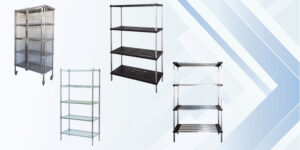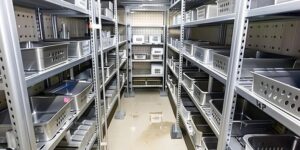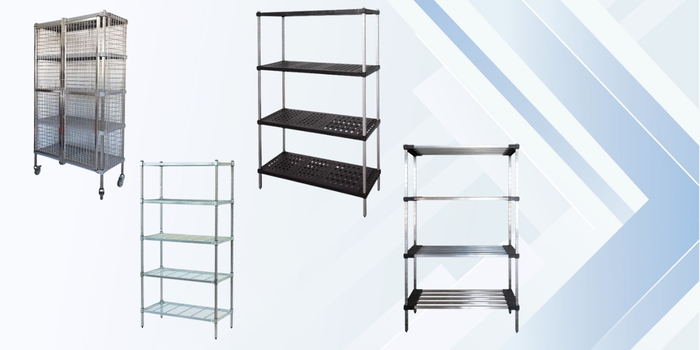
If you run a commercial kitchen anywhere in Australia, you already know that shelving does far more than hold stock off the floor. It protects food from contamination, supports compliance during health inspections, and keeps your team safe from collapses and injuries. Yet many kitchen owners still treat shelving as an afterthought, and this oversight often leads to rust, hygiene failures, and costly replacements down the track.
This guide breaks down every major shelving material used in Australian commercial kitchens, compares their safety credentials, and helps you choose the right option for each zone of your kitchen. Mantova, Australia’s largest cool room shelving manufacturer, has spent over 50 years supplying commercial kitchens across NSW and the rest of the country, so we’ve drawn on that experience to give you a practical, safety-first buying guide.
Why Shelving Material Matters for Kitchen Safety
Shelving sits at the intersection of food safety, workplace safety, and regulatory compliance, so getting the material right matters more than most operators realise. Firstly, the wrong material corrodes quickly in humid or wet environments, and rust flakes can contaminate food directly. Secondly, poor-quality shelving often buckles under load, and a collapse near food prep areas creates both a safety hazard and a contamination event. Thirdly, health inspectors actively check shelving material and condition during audits, and non-compliant shelving can trigger fines or even force a temporary closure.
Beyond these immediate risks, choosing cheap or unsuitable shelving also creates hidden costs over time. Corroded shelves need replacing far sooner than quality stainless steel or NSF-certified wire shelving, and repeated replacement cycles quickly outweigh any upfront savings. For this reason, Mantova always recommends thinking about shelving as a long-term investment in safety and compliance rather than a one-off purchase.
Comparing the Top Shelving Materials
Stainless Steel
Stainless steel remains the gold standard for commercial kitchen shelving, and it’s easy to see why. It resists corrosion even in constantly wet or humid environments, and it withstands regular sanitising with harsh chemicals without degrading. Additionally, stainless steel doesn’t harbour bacteria in the way porous materials do, which makes it ideal for food-contact surfaces.
On the downside, stainless steel typically costs more upfront than alternatives like epoxy-coated steel. However, because it lasts significantly longer and requires minimal maintenance, most kitchens recover that cost over the shelving’s lifespan. Stainless steel performs best near cooking lines, in wash-up areas, and anywhere exposed to steam, grease, or frequent wash-downs.
Chrome Wire Shelving
Chrome wire shelving offers an excellent balance between affordability and performance, and it’s a popular choice across dry stores and walk-in coolers throughout Australia. Its open-wire design allows air to circulate freely around stored items, which reduces the risk of mould and mildew building up on shelves.
That said, chrome plating can chip or crack if shelves are knocked or overloaded, and once the plating is compromised, the underlying metal can rust. Consequently, chrome wire shelving works best in dry storage and refrigerated zones rather than areas exposed to constant moisture or impact.
Epoxy-Coated Steel
Epoxy-coated steel provides a budget-friendly alternative that still offers reasonable rust resistance thanks to its protective coating. It suits dry storage areas well, since the coating holds up nicely when moisture exposure stays low.
However, the epoxy coating can chip over time, particularly in high-traffic areas or where trolleys and stock frequently knock against the shelf edges. Once exposed, the underlying steel becomes vulnerable to rust, so this material generally isn’t recommended for wet zones, walk-in coolers, or areas near cooking equipment.
Aluminium
Aluminium shelving appeals to kitchens that need lightweight, mobile storage solutions, since it naturally resists rust and moves easily on carts or trolleys. This makes it a sensible option for mobile prep stations or lighter storage applications.
On the other hand, aluminium dents and scratches more easily than stainless steel, and it generally offers lower load capacity for its weight. As a result, most commercial kitchens reserve aluminium for lighter-duty or mobile applications rather than primary storage shelving.
Plastic and Polymer Shelving
Plastic and polymer shelving suits cold storage environments particularly well, since the material is completely non-porous and never rusts, even in constant moisture. It also tends to sit at a lower price point than metal alternatives, which appeals to kitchens working with tighter budgets.
Nevertheless, plastic shelving generally carries lower weight capacity than metal options, and it can warp or deform if placed near heat sources. Therefore, this material works best in freezers, cold rooms, and low-heat storage areas rather than near cooking equipment.
Wood: Why It’s Usually Not Recommended
Wood rarely appears in modern commercial kitchens, and for good reason. Its porous surface absorbs moisture and traps bacteria, which makes it extremely difficult to sanitise properly. Most Australian health codes either restrict or prohibit wood shelving in food-contact zones altogether. While sealed or treated timber occasionally appears in non-food-contact display areas, it should never be used for food storage, prep surfaces, or anywhere near raw ingredients.
NSF Certification and Why It Matters
NSF/ANSI Standard 2 certification confirms that shelving has been independently tested and verified as safe for food-contact environments. Certified shelving must resist corrosion, clean easily, and avoid harbouring bacteria in joints, welds, or coatings. When you’re comparing suppliers, always check for NSF certification, since health inspectors across Australia specifically look for this marking during compliance checks. Mantova’s shelving range holds HACCP Australia approval, which gives operators added confidence that the products meet strict food safety benchmarks recognised throughout the industry.
Choosing Shelving by Kitchen Zone
Different areas of a commercial kitchen face different safety demands, so matching material to zone makes a real difference to both performance and longevity.
- Dry storage: Chrome wire or epoxy-coated steel shelving works well here, since moisture exposure stays low and airflow helps prevent condensation build-up.
- Walk-in coolers and freezers: Stainless steel or NSF-certified wire shelving handles constant humidity without corroding, making it the safer long-term choice.
- Near cooking equipment: Stainless steel is essential here, since it withstands heat, steam, and grease without warping or degrading.
- Prep and dish-washing areas: Stainless steel or heavy-duty plastic shelving copes best with constant splashing, washdowns, and chemical exposure.
Other Safety Factors Beyond Material
Material choice matters enormously, but it isn’t the only safety consideration when selecting commercial kitchen shelving. Weight capacity needs careful attention, since overloading shelving—even high-quality stainless steel—creates a genuine collapse risk. Shelf spacing also affects airflow in refrigerated units, and poor spacing can lead to uneven cooling and food safety issues. Furthermore, height clearance and secure mounting prevent shelving units from tipping, particularly in busy kitchens where staff move quickly between stations. Finally, a regular maintenance and inspection routine catches early signs of wear before they become safety hazards, so it’s worth building shelf checks into your existing cleaning schedule.
Quick Comparison Table About Shelving Material
|
Material |
Rust Resistance | Cost | Best Use | NSF Certified Options |
|
Stainless Steel |
Excellent | Higher | Wet zones, cooking line, prep areas |
Yes |
|
Chrome Wire |
Good (if undamaged) | Moderate | Dry storage, walk-in coolers |
Yes |
|
Epoxy-Coated Steel |
Moderate | Low–Moderate | Dry storage only |
Limited |
|
Aluminium |
Excellent | Moderate | Mobile carts, light loads |
Limited |
|
Plastic/Polymer |
Excellent | Low–Moderate | Cold storage, freezers |
Yes |
| Wood | Poor | Low | Not recommended for food zones |
No |
Key Points For Shelving Material
- Shelving material directly affects food safety, hygiene compliance, and inspection outcomes.
- Stainless steel offers the best all-round corrosion resistance and durability for wet, high-heat zones.
- Chrome wire shelving suits dry storage and coolers well, but chipped plating exposes shelves to rust.
- Epoxy-coated steel works only in low-moisture, dry storage environments.
- Aluminium suits lightweight, mobile applications rather than heavy primary storage.
- Plastic and polymer shelving performs best in freezers and cold rooms, away from heat.
- Wood shelving should never be used in food-contact areas due to bacterial contamination risk.
- NSF/ANSI Standard 2 certification confirms shelving meets recognised food safety standards.
- Matching material to kitchen zone—dry store, cooler, cooking line, or prep area—improves both safety and shelf lifespan.
- Regular inspection of load capacity, spacing, and mounting stability matters as much as material choice.
Choosing Shelving with Confidence
Selecting the right shelving material comes down to understanding your kitchen’s specific zones, moisture levels, and safety requirements, rather than picking the cheapest option available. Stainless steel handles the toughest conditions, chrome wire suits dry and cold storage, and plastic works well in freezers, so matching material to purpose protects both your food and your team.
Mantova has supported Australian commercial kitchens with safe, compliant shelving solutions for over 50 years, and with distributors positioned across NSW, QLD, VIC, WA, SA, NT, and TAS, expert advice and quality shelving sit close to almost every kitchen in the country. Reach out to your nearest Mantova distributor today to fit out your kitchen with shelving built for genuine safety and long-term performance.
FAQs About Shelving Material
Is wire shelving as safe as stainless steel for commercial kitchens in Australia?
Wire shelving can be just as safe as stainless steel when it’s NSF-certified and used in the right environment, such as dry storage or walk-in coolers. However, stainless steel generally outperforms wire shelving in wet or high-impact areas, since chrome plating can chip and expose the metal underneath to rust. If your kitchen deals with constant moisture near the cooking line, stainless steel remains the safer long-term choice.
Does all commercial kitchen shelving need to be NSF certified to meet Australian health codes?
Most Australian health authorities expect food-contact shelving to meet recognised hygiene standards, and NSF/ANSI Standard 2 certification is the benchmark most inspectors look for. While requirements can vary slightly between states and local councils, choosing NSF-certified or HACCP Australia-approved shelving, like Mantova’s range, gives operators the strongest position during compliance checks.
How often should commercial kitchens in Australia replace their shelving?
There’s no fixed timeframe, since replacement depends on material quality, kitchen conditions, and maintenance habits. Quality stainless steel shelving from a reputable Australian manufacturer often lasts well over a decade with proper care, while cheaper epoxy-coated or unbranded shelving may need replacing within a few years, particularly in humid coastal regions like Queensland or coastal NSW.
Can I use plastic shelving in a commercial walk-in freezer?
Yes, plastic and polymer shelving suits walk-in freezers well, since the material won’t rust or corrode in constant cold and moisture. Just check the weight capacity carefully, since plastic shelving generally holds less than stainless steel, and avoid placing it anywhere it might be exposed to heat during defrost cycles.
Where can I find a Mantova shelving distributor near me in Australia?
Mantova works with a large network of distributors across every Australian state and territory, including NSW, QLD, VIC, WA, SA, NT, and TAS, as well as partners in the ACT. For example, Sydney-based kitchens can reach out to Reward Hospitality or QCC Hospitality Supplies, while operators in Brisbane can contact Ace Catering Equipment or Reward Hospitality’s Queensland branch. You can find your closest distributor by visiting Mantova’s Find a Distributor page and searching by state or suburb.
What’s the best shelving material for a humid Australian coastal kitchen?
Coastal kitchens in regions like Wollongong, the Gold Coast, or Coffs Harbour face higher humidity levels, which accelerates corrosion in lower-grade materials. Stainless steel handles this environment best, since it resists rust even under constant moisture exposure, making it a smart investment for coastal commercial kitchens.
Final Recommendation For Shelving Material
For most Australian commercial kitchens, stainless steel remains the overall winner when safety, hygiene, and durability all matter equally. It handles heat, moisture, and constant sanitising better than any other material on this list, and it holds up under the demanding pace of a busy kitchen. That said, the “best” material genuinely depends on the zone you’re equipping—chrome wire suits dry storage beautifully, while plastic shelving makes sense in a freezer. Mantova manufactures a full range of NSF-certified and HACCP-approved shelving solutions, so operators can match the right material to each area of their kitchen without compromising on safety.