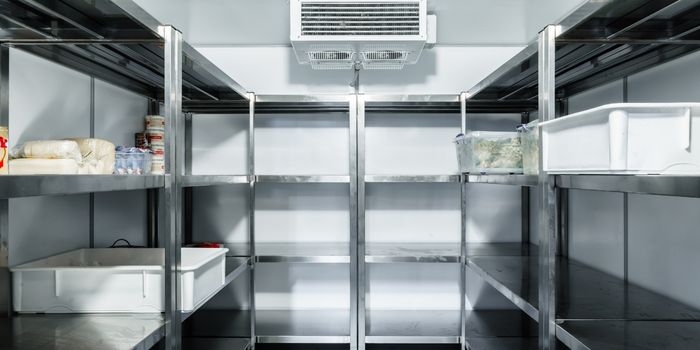
Australian businesses rely heavily on efficient cold storage systems to protect food, beverages, pharmaceuticals, and temperature-sensitive products. Whether you operate a busy café near Sydney Opera House, manage a supermarket in Melbourne, or run a food processing facility in Brisbane, your cool room shelving plays a major role in maintaining hygiene, organisation, and operational efficiency.
However, many businesses focus only on refrigeration units while overlooking cool room shelving maintenance. Damaged or poorly maintained shelving can reduce airflow, increase contamination risks, and create workplace hazards. Consequently, regular cool room shelving maintenance becomes essential for businesses across Australia.
At Mantova, businesses across Australia trust durable shelving and storage solutions that support hygiene, efficiency, and long-term performance in commercial environments. By following the right maintenance practices, Australian businesses can extend the life of their cool room shelving while improving workplace safety and food storage standards.
Why Cool Room Shelving Maintenance Matters
Cool room shelving operates in cold and moisture-heavy conditions every day. Therefore, regular maintenance helps businesses avoid corrosion, structural issues, and contamination problems.
More importantly, clean and stable shelving supports compliance with Australian food safety standards. Food businesses must maintain hygienic storage systems to prevent bacteria growth and cross-contamination. If shelving becomes rusty, unstable, or dirty, it can compromise the entire storage environment.
Additionally, properly maintained shelving improves airflow inside cool rooms. When air circulates effectively, refrigeration systems maintain consistent temperatures more efficiently. As a result, businesses can reduce energy consumption and protect product quality.
Common Types of Cool Room Shelving Used in Australia
Australian businesses use different shelving materials depending on their industry needs. Each shelving type requires specific maintenance practices.
Stainless Steel Shelving
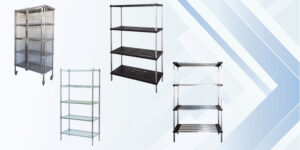
Many commercial kitchens and hospitality venues choose stainless steel shelving because it resists corrosion and supports hygienic food storage. Restaurants around areas like Federation Square commonly prefer stainless steel systems due to their durability and easy cleaning process.
Although stainless steel resists rust effectively, businesses should still clean and dry surfaces regularly to prevent staining and bacterial build-up.
Aluminium Shelving
Aluminium shelving provides lightweight and corrosion-resistant storage for cool rooms. Businesses often use aluminium shelving in retail and food service environments because it offers strong durability while remaining easy to move and clean.
Polymer Shelving Systems
Polymer shelving has become increasingly popular in Australian cool rooms because it resists moisture exceptionally well. Furthermore, polymer-coated shelves reduce rust risks and support hygienic storage conditions.
Heavy-Duty Storage Racks
Warehouses and large food processing facilities often require heavy-duty shelving systems. These systems support bulk storage; however, businesses must inspect them regularly to ensure structural stability.
Daily Cool Room Shelving Maintenance Tips
Daily maintenance prevents minor problems from becoming costly repairs. Consequently, businesses should train staff to inspect shelving systems every day.
Clean Spills Immediately
Businesses should remove food spills, moisture, and debris immediately after they occur. Otherwise, bacteria can spread quickly in cool environments.
Additionally, spills can create slippery surfaces and unpleasant odours inside cool rooms.
Inspect Shelving for Damage
Staff should inspect shelves daily for cracks, rust, loose supports, and unstable frames. Early detection helps businesses avoid larger structural problems later.
Avoid Overloading Shelves
Every shelving system has a maximum load capacity. Therefore, businesses should distribute weight evenly and avoid placing heavy products on unsupported sections.
Overloaded shelving can bend, collapse, or damage stored products.
Improve Product Organisation
Businesses should organise products neatly to maintain airflow and accessibility. Crowded shelving reduces cooling efficiency and makes cleaning more difficult.
Weekly and Monthly Cool Room Shelving Maintenance
While daily cleaning handles surface-level hygiene, businesses also need deeper maintenance routines.
Deep Cleaning Procedures
Weekly deep cleaning removes hidden dirt, grease, and bacteria from shelving surfaces. Staff should remove products temporarily and clean all shelf corners thoroughly.
Businesses should also sanitise clips, brackets, and shelf joints because bacteria often accumulate in these areas.
Tighten Loose Components
Cold room environments can gradually loosen shelving fasteners due to temperature fluctuations. Therefore, monthly inspections should include tightening bolts, shelf clips, and support brackets.
Monitor Moisture Levels
Excessive moisture accelerates corrosion and mould growth. Consequently, businesses should inspect cool rooms regularly for condensation issues and drainage problems.
Check Weight Distribution
Monthly inspections should include reviewing shelf weight distribution. Uneven loads place unnecessary stress on shelving systems and reduce their lifespan.
How to Prevent Rust and Corrosion in Cool Room Shelving
Rust remains one of the biggest threats to commercial cool room shelving. Fortunately, businesses can reduce corrosion risks through preventive maintenance.
Use Corrosion-Resistant Materials
Businesses should invest in stainless steel, aluminium, or polymer shelving systems designed specifically for cool room environments.
At Mantova, Australian businesses can find durable shelving solutions engineered for demanding commercial conditions.
Improve Ventilation
Proper airflow reduces moisture accumulation inside cool rooms. Therefore, businesses should avoid overcrowding shelves and blocking ventilation pathways.
Dry Shelving After Cleaning
Although regular cleaning remains essential, businesses should dry shelving properly after washing. Standing moisture encourages corrosion and mould growth.
Use Food-Safe Cleaning Products
Harsh chemicals can damage shelving finishes and protective coatings. Instead, businesses should use food-safe cleaning products suitable for commercial refrigeration environments.
Food Safety and HACCP Compliance
Australian food businesses must maintain strict hygiene standards. Therefore, cool room shelving maintenance directly affects food safety compliance.
Dirty or damaged shelving increases contamination risks significantly. Consequently, businesses should maintain organised and sanitised storage systems at all times.
Prevent Cross-Contamination
Businesses should separate raw foods, cooked products, and allergens using clearly labelled shelving sections.
Additionally, staff should clean shelving immediately after handling spills from raw meat or seafood products.
Maintain Proper Shelf Spacing
Proper shelf spacing improves airflow while reducing bacterial growth risks. Furthermore, organised shelving makes stock rotation easier.
Support HACCP Compliance
HACCP guidelines require businesses to maintain hygienic food storage systems. Therefore, regular shelving inspections help businesses remain compliant with Australian food safety standards.
Industry-Specific Cool Room Shelving Maintenance Tips
Different industries require different maintenance approaches.
Restaurants and Cafés
Restaurants and cafés experience frequent product movement and moisture exposure. Therefore, hospitality businesses should prioritise daily cleaning and stock organisation.
Busy venues near Bondi Beach often rely on efficient cool room shelving to manage high customer demand during peak seasons.
Supermarkets and Retail Stores
Retail businesses should focus on shelf stability and accessibility because staff access cool room products constantly throughout the day.
Food Processing Facilities
Food processing businesses require heavy-duty shelving capable of handling large inventory volumes. Consequently, these facilities should schedule regular structural inspections.
Pharmaceutical Storage
Medical and pharmaceutical facilities must maintain precise temperature control and hygienic storage conditions. Therefore, shelving cleanliness becomes especially important.
Signs Your Cool Room Shelving Needs Replacement
Even with excellent maintenance, shelving systems eventually require replacement.
Visible Rust and Corrosion
Extensive rust weakens shelving structures and creates contamination risks. Therefore, businesses should replace severely corroded shelving immediately.
Bent or Warped Shelves
Bent shelves indicate excessive weight loads or structural weakness. Damaged shelves can collapse unexpectedly and damage stored inventory.
Persistent Hygiene Problems
If shelving surfaces remain difficult to clean despite regular maintenance, businesses should consider replacing older systems.
Loose or Unstable Frames
Unstable shelving creates workplace safety hazards. Consequently, businesses should replace shelving that no longer maintains structural integrity.
Best Practices for Organising Cool Room Shelving
Proper organisation improves both maintenance and operational efficiency.
Use FIFO Inventory Management
Businesses should follow the “First In, First Out” inventory method to reduce product waste and improve stock rotation.
Label Shelves Clearly
Clear labels improve organisation while helping staff locate products quickly.
Maintain Air Circulation
Businesses should leave adequate space between products and walls to improve airflow throughout the cool room.
Store Products Strategically
Staff should place frequently used products in accessible areas while keeping heavier items on lower shelves for safety.
DIY Maintenance vs Professional Maintenance Services
Businesses can handle many maintenance tasks internally; however, professional servicing still offers important benefits.
Tasks Staff Can Handle
- Daily cleaning
- Basic inspections
- Product organisation
- Minor tightening adjustments
Tasks Professionals Should Handle
- Structural shelving inspections
- Corrosion assessments
- Large-scale repairs
- Shelving replacement installations
Professional maintenance services help businesses identify hidden problems before they become serious operational issues.
Preventive Maintenance Checklist for Australian Businesses
Businesses should follow a structured maintenance routine to improve shelving performance.
Daily Tasks
- Remove spills immediately
- Inspect shelves visually
- Organise products properly
Weekly Tasks
- Deep-clean shelving surfaces
- Sanitise shelf supports and brackets
- Check airflow pathways
Monthly Tasks
- Tighten shelving components
- Inspect for rust and corrosion
- Review weight distribution
Annual Tasks
- Conduct professional inspections
- Replace damaged shelving parts
- Upgrade outdated shelving systems if necessary
At Mantova, Australian businesses can access reliable shelving systems designed to withstand demanding commercial environments while supporting efficient cool room operations.
Key Points About Cool Room Shelving Maintenance
- Clean shelving surfaces daily to maintain hygiene standards.
- Inspect shelving regularly for rust, corrosion, or structural damage.
- Avoid overloading shelves beyond their recommended weight capacity.
- Use food-safe cleaning products to protect shelving materials.
- Improve airflow around shelving to maintain cool room efficiency.
- Tighten loose brackets, clips, and shelf supports immediately.
- Organise products properly to reduce contamination risks.
- Schedule monthly deep-cleaning and maintenance inspections.
- Replace damaged shelving promptly to maintain workplace safety.
- Choose durable shelving systems designed for Australian commercial environments.
FAQs About Cool Room Shelving Maintenance in Australia
How often should commercial cool room shelving be cleaned in Australia?
Australian food businesses should clean cool room shelving daily and perform deep cleaning weekly. High-traffic commercial kitchens and supermarkets may require more frequent sanitisation to maintain hygiene standards.
What is the best shelving material for cool rooms in Australia?
Stainless steel and polymer shelving remain popular choices because they resist corrosion, support hygiene, and perform well in cold and humid environments.
Where can I find commercial cool room shelving in Sydney or Melbourne?
Businesses across Sydney, Melbourne, Brisbane, Perth, and other Australian cities can source durable commercial shelving solutions from suppliers like Mantova that specialise in industrial and commercial storage systems.
How do I stop cool room shelving from rusting?
Businesses can reduce rust by improving ventilation, drying shelving after cleaning, controlling moisture levels, and using corrosion-resistant materials like stainless steel or polymer-coated shelving.
Can damaged cool room shelving affect food safety?
Yes. Rusty, unstable, or dirty shelving can increase contamination risks and compromise food safety compliance. Therefore, businesses should replace damaged shelving promptly.
How much weight can commercial cool room shelving hold?
Weight capacity varies depending on the shelving material and design. Heavy-duty commercial shelving can typically support significant loads; however, businesses should always follow manufacturer guidelines.
Do Australian food safety regulations require shelving maintenance?
Yes. Australian food safety standards require businesses to maintain hygienic and structurally safe food storage systems. Consequently, regular shelving maintenance supports compliance requirements.
When should cool room shelving be replaced?
Businesses should replace shelving when they notice severe rust, structural instability, bent shelves, or on-going hygiene issues that cleaning cannot resolve.
Conclusion
Cool room shelving maintenance plays a critical role in food safety, workplace efficiency, and long-term operational performance. Australian businesses that maintain clean, organised, and structurally sound shelving systems can reduce repair costs, improve refrigeration efficiency, and support compliance with food safety regulations.
Moreover, preventive maintenance helps businesses avoid costly downtime and product losses. Whether you operate a café, supermarket, warehouse, or food processing facility, regular shelving inspections and cleaning routines can significantly improve cool room performance.
By investing in durable shelving solutions and consistent maintenance practices, businesses across Australia can create safer and more efficient cold storage environments for years to come.