Running a commercial kitchen, cafe, restaurant, or food storage facility in Australia comes with one challenge that most owners know all too well — the cool room never feels big enough. Consequently, stock gets crammed in without any real system, airflow suffers, food safety standards slip, and staff waste valuable time hunting for ingredients during a busy service.
However, the good news is that a small cool room does not have to feel small. Furthermore, you do not necessarily need to knock down walls or invest in a brand-new cool room to fix the problem. This comprehensive guide covers everything Australian hospitality and food service businesses need to know about maximising cool room storage — from choosing the right shelving system to organising products for compliance, efficiency, and safety
Understand Your Cool Room Before You Reorganise It
Before you start moving shelves around or purchasing new equipment, you first need to take a thorough look at your cool room as it currently stands. Therefore, start by measuring accurately — record the exact floor area, ceiling height, and door swing clearance. Many businesses discover they have significantly more vertical height available than they actually use.
Next, identify the dead zones in your cool room. These are the areas that consistently go to waste — awkward corners, the space directly above the highest shelf, and the floor-level gap beneath the lowest shelf. Moreover, map out exactly which product categories you store and how frequently staff access each one. This information directly shapes how you design your new layout.
| Pro Tip
Take photos of your current cool room layout before you reorganise. These before-and-after comparisons help you measure real improvement — and are useful if you ever need to demonstrate compliance to an inspector. |
Go Vertical — Make Use of Your Full Wall Height
One of the most effective and immediately impactful changes you can make is to start using your vertical space properly. Surprisingly, most commercial cool rooms only use between 50 and 60% of their available vertical height. That means almost half the space is sitting completely unused above the top shelf.
However, when you store items higher up, weight capacity becomes a critical consideration. Therefore, always check the load rating per shelf before stacking heavy produce or bulk containers at height. Mantova’s Post Style shelving systems feature clearly rated load capacities and fully adjustable configurations, which makes them an ideal choice for maximising vertical space safely and confidently.
Choose the Right Shelving Type for a Small Cool Room
Not all shelving performs equally in a refrigerated environment. Therefore, choosing the right type of shelving is one of the most important decisions you make when setting up or reorganising a cool room.
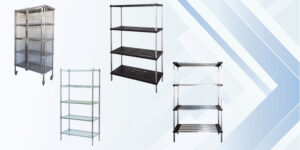
Wire shelving allows air to circulate freely between shelves, which helps your cool room maintain a consistent temperature throughout. In contrast, solid shelving blocks airflow and creates cold and warm spots that can compromise food safety. Moreover, wire shelving is significantly easier to clean, which is essential for HACCP compliance.
Mobile shelving units are particularly valuable in tight spaces. Because they move easily on lockable castors, you can rearrange the cool room quickly to accommodate large deliveries, deep-clean the floor, or access stock stored behind other units. Consequently, mobile shelving unlocks floor space that fixed units simply cannot access.
Dunnage shelving solves the floor-level storage problem. Australian food safety regulations require that food is never stored directly on the floor. Dunnage shelves elevate stock off the ground while still keeping the floor accessible for cleaning — a simple yet critical compliance solution.
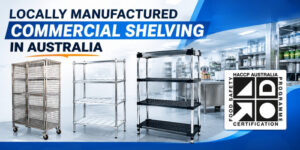
Mantova offers a comprehensive range of shelving types specifically engineered for cool room and cold room environments, including M-SPAN cool room shelving, Post Style Wire Shelving, Mobile Shelving, Dunnage Shelving, and Heavy Duty Ladder Shelving. Furthermore, all Mantova shelving uses corrosion-resistant materials that withstand the humidity and temperature extremes of refrigerated environments.
| Mantova’s M-SPAN Range
Mantova’s M-SPAN Cool Room, Freezer and Dry Store Shelving is purpose-built for Australian commercial environments. It delivers outstanding durability, food-grade compliance, and flexible configuration — making it one of the most trusted cool room shelving solutions across Australia. |
Optimise Your Layout for Workflow and Access
A well-organised cool room does not just store more — it also saves time during every service. Therefore, think carefully about where you position different product categories relative to how often staff need to access them.
Apply the ‘most-used items at arm’s reach’ principle. Consequently, ingredients that staff grab multiple times per service should sit at waist-to-eye level in the most accessible area of the cool room. Items that move less frequently — bulk stock, backup supplies, or produce used only for weekly specials — can go on higher or lower shelves, or towards the back.
Additionally, zone your cool room by food category. Australian food safety standards require that raw meat be stored below ready-to-eat foods to prevent cross-contamination. Therefore, your layout must reflect this requirement — raw proteins at the bottom, dairy and cooked foods above.
Use Accessories to Reclaim Wasted Space
Once you have your shelving in place, the right accessories help you reclaim the last pockets of wasted space and bring genuine order to your cool room. Specifically, a few well-chosen additions can make a significant difference to both capacity and daily usability.
- Shelf ledges and product stops prevent items from sliding off the front edge of shelves, which means you can use the full depth of each shelf confidently without losing stock to the floor.
- Post clamps allow you to attach additional fittings and accessories directly to your shelving posts, effectively expanding your storage options without adding more freestanding units.
- Wall fix brackets let you mount shelving flush against the cool room wall, which maximises floor space and creates a clean, unobstructed aisle down the centre of the room.
- A clear labelling system reduces the time staff spend searching for items — and consequently reduces the time the cool room door stays open. Every second the door is open, your cool room works harder and your energy bill climbs.
Mantova supplies a full range of shelving accessories — including shelf ledges, product stops, post clamps, and wall fix brackets — that integrate seamlessly with their shelving systems. As a result, you build a cohesive, efficient storage solution rather than patching together parts from different suppliers.
Food Safety and Compliance Considerations
In Australia, commercial food businesses operate under the Food Standards Australia New Zealand (FSANZ) framework, which sets clear requirements around food storage, handling, and facility hygiene. Therefore, your cool room layout and shelving choices must actively support compliance — not just storage capacity.
Moreover, HACCP (Hazard Analysis and Critical Control Points) certification is increasingly expected across Australian food businesses. Mantova produces HACCP Australia approved shelving that specifically meets these standards, giving businesses the confidence that their storage infrastructure supports a compliant operation.
Additionally, Mantova’s LIFE Antimicrobial Protection range provides an extra layer of food safety assurance. The antimicrobial coating on these shelves actively reduces the growth of bacteria on the shelving surface — which is especially valuable in small, densely packed cool rooms where airflow is more limited.
Maintenance Tips to Keep Your Cool Room Efficient Long-Term
Even the best-designed cool room gradually loses efficiency without regular maintenance. Therefore, build a simple maintenance routine into your operations from day one.
- Conduct a weekly stock audit to remove expired or near-expiry items and prevent them from blocking usable shelf space.
- Clean shelving regularly using non-abrasive, food-safe detergents. Avoid harsh chemicals that damage corrosion-resistant coatings and reduce the lifespan of your shelving.
- Periodically check that shelf clips and post connections remain secure, particularly on shelves carrying heavier loads.
- Review your layout every quarter. As your menu and stock levels change, your cool room layout should adapt accordingly.
- Replace shelving showing signs of corrosion, bending, or damaged coatings promptly. Damaged shelving is both a food safety risk and a structural hazard.
Furthermore, if your business is growing and your cool room consistently runs at capacity despite good organisation, it may be time to consider a custom shelving solution. Mantova offers custom manufacturing services for businesses with unique space requirements — so that even the most awkward cool rooms can be fitted with purpose-built shelving that maximises every available centimetre.
Key Points: Maximise Storage Space in a Small Cool Room
- Measure your cool room accurately before purchasing or rearranging any shelving — height, width, and depth all matter.
- Go vertical by installing shelving that reaches as close to the ceiling as safely possible and uses the full wall height.
- Choose wire shelving over solid shelving to maintain proper airflow, reduce temperature inconsistencies, and simplify cleaning.
- Use mobile shelving on castors to access hidden floor space and make deep cleaning significantly easier.
- Install dunnage shelving to keep all food items elevated off the floor and comply with Australian food safety regulations.
- Zone your cool room by food category — raw proteins below, ready-to-eat and cooked foods above — to maintain HACCP compliance.
- Apply the FIFO (First In, First Out) method to every shelf by always placing newer stock behind older stock.
- Use shelving accessories such as shelf ledges, product stops, and post clamps to use the full depth and capacity of each shelf.
- Label all sections of your cool room clearly so staff can find and return items quickly, reducing unnecessary door-open time.
- Schedule regular stock audits and shelving maintenance to keep your cool room running at peak efficiency and compliance.
Frequently Asked Questions (FAQs)
The following questions reflect common queries from Australian hospitality and food service businesses searching for cool room storage solutions locally.
Q1: What is the minimum aisle width required inside a commercial cool room in Australia?
There is no single nationally mandated measurement for cool room aisle width in Australian food safety legislation. However, the widely accepted industry standard is a minimum of 600mm of clear aisle space. This clearance allows staff to move comfortably, access all shelving safely, and manoeuvre trolleys or gastronorm trays without difficulty. Moreover, wider aisles of 800mm to 1000mm are preferable in busier kitchens where multiple staff access the cool room simultaneously during service.
Q2: How many shelving tiers can I safely install in a commercial cool room?
The number of tiers depends on three factors — your ceiling height, the load rating of your chosen shelving system, and the height of the items you need to store. Generally, most commercial cool rooms with standard 2.4m ceiling heights accommodate four to six shelf tiers comfortably.
Q3: Does shelving material affect cool room temperature efficiency?
Yes, it does — particularly in small cool rooms. Wire shelving allows cold air to circulate freely between tiers and around stock, which helps your refrigeration system maintain a consistent temperature throughout the entire space. In contrast, solid shelves block airflow and cause cold and warm spots.
Q4: Is Mantova shelving suitable for use in a cool room in Queensland’s humid climate?
Absolutely. Mantova engineers all of its cool room shelving specifically to withstand the conditions found in Australian commercial kitchens and cold storage environments — including the high humidity levels common in Queensland. The shelving uses corrosion-resistant zinc and epoxy coatings that prevent rust and bacterial build-up even in persistently humid conditions.
Q5: What is dunnage shelving and do I legally need it in my cool room?
Dunnage shelving refers to low-profile shelving units — typically between 150mm and 300mm high — designed specifically to keep food and goods elevated off the floor. Under Australian food safety law and FSANZ standards, food must not be stored directly on the floor of any food storage area, including cool rooms and freezers.
Q6: How often should I replace cool room shelving in a busy commercial kitchen?
There is no fixed replacement schedule — however, you should inspect shelving every three to six months and replace it promptly when you notice corrosion, bending, cracked coatings, or unstable post connections. High-quality Australian-made shelving such as Mantova’s product range typically delivers a significantly longer service life than imported alternatives because it is engineered specifically for the demands of commercial refrigerated environments.
Q7: Can I use the same shelving in my cool room and dry store?
Yes — many businesses do use the same shelving system across both environments, particularly post style wire shelving which performs well in both refrigerated and ambient temperature conditions. However, always confirm that the shelving you choose carries a corrosion-resistant coating suitable for the cool room’s humidity levels. Mantova’s M-SPAN range is specifically rated for cool room, freezer, and dry store use — making it a versatile and cost-effective choice for businesses that want a consistent shelving system across multiple storage areas.
Q8: Where can I buy Mantova cool room shelving in Australia?
Mantova distributes its shelving through an extensive network of authorised distributors across all Australian states and territories — including New South Wales, Victoria, Queensland, South Australia, Western Australia, Tasmania, and the Northern Territory. Additionally, Mantova exports to New Zealand, Fiji, Papua New Guinea, and the UAE. You can find your nearest authorised distributor through the Find a Distributor, or contact the team directly at the Prestons, NSW facility for quotes and product advice.
Conclusion: A Small Cool Room Can Work Like a Big One
Maximising storage space in a small cool room is not about making do with what you have — it is about making smart, strategic decisions around shelving, layout, accessories, and compliance. Start by going vertical and choosing the right shelving type for your environment.
With over 50 years of Australian manufacturing excellence and a product range purpose-built for commercial food service environments, Mantova provides the shelving systems, accessories, and expertise that Australian businesses need to get the absolute most out of their cool room space — regardless of size.
Ready to transform your cool room? Contact Mantova today for a custom quote, or find your nearest authorised distributor across Australia.