Workflow efficiency defines business success in 2026. As Australian businesses face rising labour costs, tighter compliance standards, and increasing customer expectations, every operational decision directly affects productivity. Consequently, businesses now treat workflow optimisation as a strategic priority rather than a secondary concern. Among all operational improvements, professional storage solutions deliver the most immediate and measurable impact on workflow.
Professional storage systems eliminate wasted movement, reduce handling time, and support safer working environments. Moreover, modern shelving and trolley solutions adapt to evolving operational demands instead of restricting them. As a result, organisations that invest in structured storage frameworks gain a competitive advantage through speed, consistency, and reliability.
This guide explains how professional storage solutions improve workflow in 2026, outlines the most effective systems, and shows how Australian businesses can future-proof operations through intelligent storage planning.
What Workflow Efficiency Means for Modern Businesses
Workflow efficiency refers to the smooth, uninterrupted movement of people, materials, and information across an operation. Efficient workflows minimise delays, eliminate unnecessary steps, and reduce physical strain on staff. In contrast, inefficient workflows cause congestion, errors, fatigue, and avoidable costs.
In many workplaces, poor storage design creates the largest workflow barriers. Staff waste time searching for items, navigating cluttered spaces, or lifting equipment incorrectly. Over time, these inefficiencies compound and reduce output across every department.
In 2026, businesses no longer accept these limitations. Instead, they demand storage systems that support rapid access, logical organisation, and safe movement. Therefore, professional storage solutions now form the backbone of high-performing operations.
Why Storage Solutions Play a Critical Role in Workflow Improvement
Storage directly influences how people move, work, and complete tasks. When storage systems align with operational flow, staff complete tasks faster and with greater accuracy. Conversely, disorganised storage disrupts rhythm and forces unnecessary decisions.
Professional storage solutions improve workflow by:
- Reducing walking distances between tasks
- Improving the visibility and accessibility of tools and stock
- Supporting logical zoning and task sequencing
- Minimising handling errors and damage
Additionally, structured storage layouts create predictability. Staff know where items belong and how to retrieve them without hesitation. As a result, teams maintain momentum throughout the workday.
In 2026, businesses recognise storage as an operational system rather than a static fixture.
Key Professional Storage Solutions That Improve Workflow
Modular and Adjustable Shelving Systems
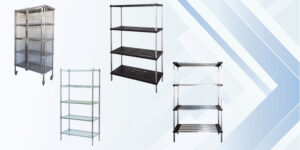
Modular shelving systems deliver unmatched flexibility. These systems allow businesses to reconfigure layouts as operational needs change. Therefore, organisations avoid costly replacements when workflows evolve.
Adjustable shelving improves workflow by enabling:
- Fast reorganisation of storage zones
- Improved stock rotation and visibility
- Better space utilisation in compact areas
Furthermore, modular shelving supports growth. Businesses expand vertically or horizontally without disrupting existing operations. Consequently, teams maintain productivity during periods of change.
Mobile Storage and Trolley Solutions
Mobile storage solutions dramatically reduce unnecessary movement. Trolleys bring tools, ingredients, or equipment directly to the point of use. As a result, staff spend more time completing tasks and less time walking.
Professional trolley systems improve workflow by:
- Supporting task batching and sequencing
- Reducing manual handling strain
- Increasing service speed in high-traffic environments
Moreover, mobile storage enhances flexibility. Teams adapt quickly to peak periods, layout changes, or temporary operational shifts.
Heavy-Duty and High-Load Storage Systems
Heavy-duty shelving systems support large volumes without compromising safety or accessibility. These systems prevent overloading, reduce product damage, and maintain stable workflows.
High-load storage improves workflow by:
- Preventing bottlenecks caused by limited capacity
- Supporting bulk storage without clutter
- Enhancing safety through correct load distribution
In 2026, businesses prioritise durability because downtime disrupts workflow more than any other factor.
Industry-Specific Workflow Improvements Using Storage Solutions
Commercial Kitchens and Hospitality
Commercial kitchens rely on speed, hygiene, and coordination. Professional storage solutions support each requirement simultaneously.
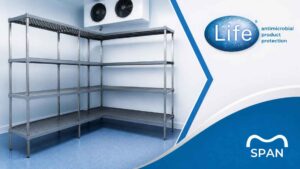
Well-designed shelving improves workflow by enabling fast ingredient access, clear labelling, and effective stock rotation. Cool room shelving maintains airflow and temperature consistency, which protects food quality and reduces waste.
Mobile trolleys streamline service by transporting prepared items, utensils, or trays efficiently. As a result, kitchen staff maintain rhythm during peak service periods.
Professional storage also supports HACCP compliance, which reduces inspection delays and operational interruptions.
Warehouses and Industrial Facilities
Warehouses demand precision and movement efficiency. Storage systems that support logical zoning and clear pathways significantly improve picking and packing speed.
Professional storage improves workflow by:
- Reducing congestion in aisles
- Supporting clear inventory categorisation
- Improving load accessibility at safe heights
Additionally, modular systems allow warehouses to adapt layouts as inventory profiles change. Consequently, businesses avoid workflow disruptions during seasonal demand shifts.
Healthcare and Aged Care Environments
Healthcare environments require speed, accuracy, and hygiene. Storage systems must support rapid access without compromising infection control.
Professional storage improves workflow by:
- Reducing retrieval time for critical supplies
- Supporting sterile and non-sterile separation
- Improving staff movement in restricted spaces
Antimicrobial shelving further enhances hygiene and reduces cleaning time. As a result, staff focus on care delivery rather than logistical challenges.
How Professional Storage Enhances Safety and Ergonomics
Safety and workflow efficiency remain inseparable. When storage systems support ergonomic movement, staff work faster and sustain performance over longer periods.
Professional storage improves safety by:
- Reducing bending, reaching, and twisting
- Preventing overstacking and instability
- Supporting correct lifting techniques
Ergonomic design reduces injury risk and absenteeism. Therefore, businesses maintain consistent staffing levels and workflow continuity.
In 2026, organisations prioritise safety not only for compliance but also for productivity.
Hygiene, Compliance, and Workflow in 2026
Hygiene failures disrupt workflow through shutdowns, audits, and corrective actions. Professional storage solutions prevent these interruptions by supporting compliance from the outset.
Antimicrobial shelving actively reduces bacterial growth. Smooth, non-porous surfaces allow faster cleaning. Open designs improve airflow and visibility.
Compliance-ready storage improves workflow by:
- Reducing cleaning time
- Preventing contamination incidents
- Supporting audit readiness
Australian businesses increasingly adopt these systems to protect operations and reputation.
Future-Ready Storage Trends Shaping Workflow in 2026
Storage design continues to evolve alongside workplace demands. In 2026, businesses favour systems that adapt rather than restrict.
Key trends include:
- Modular systems designed for rapid reconfiguration
- Increased use of antimicrobial materials
- Sustainable, long-life construction
- Storage layouts designed for automation compatibility
These trends support continuous improvement. Businesses that invest early maintain workflow advantages as technology and compliance standards evolve.
How to Choose the Right Storage Solutions for Your Business
Selecting the right storage solutions requires careful assessment. Businesses must analyse workflow pain points before selecting systems.
Effective selection involves:
- Mapping current staff movement
- Identifying congestion points
- Planning for future growth
- Matching materials to environmental conditions
Professional consultation ensures alignment between storage design and operational goals. Businesses that plan strategically achieve long-term workflow improvements rather than temporary fixes.
Many Australian organisations rely on Mantova to deliver storage solutions that align with these principles while supporting commercial and industrial demands.
Long-Term ROI of Investing in Professional Storage Solutions
Professional storage delivers measurable returns over time. Improved workflow increases output without increasing labour costs. Reduced injuries, lower compensation claims, and absenteeism. Durable systems reduce replacement expenses.
Additionally, organised workplaces improve staff morale and retention. Teams perform better in environments that support efficiency and safety.
Businesses that invest in quality storage systems from Mantova consistently achieve stronger operational performance and long-term cost control.
Frequently Asked Questions
How do professional storage solutions improve workflow?
Professional storage solutions improve workflow by reducing search time, minimising unnecessary movement, and supporting logical task sequencing. These systems create organised environments that allow staff to complete tasks efficiently and consistently.
What type of storage works best for commercial kitchens in 2026?
Commercial kitchens benefit most from modular shelving, mobile trolleys, and cool room storage systems. These solutions support hygiene, speed, and flexibility while maintaining compliance with Australian food safety standards.
Are modular shelving systems worth the investment?
Modular shelving systems deliver long-term value because they adapt to changing workflows. Businesses reconfigure layouts without replacing entire systems, which reduces costs and prevents operational disruptions.
How does storage impact workplace safety?
Storage directly affects safety by influencing lifting techniques, movement paths, and load stability. Professional storage reduces injury risk by supporting ergonomic access and preventing overcrowding.
When should a business upgrade its storage systems?
Businesses should upgrade storage systems when staff experience congestion, frequent handling errors, or safety incidents. Growth, compliance changes, and workflow slowdowns also signal the need for professional storage solutions.
Conclusion
Workflow efficiency defines operational success in 2026. Professional storage solutions provide the foundation for faster movement, safer handling, and consistent performance. By eliminating clutter, reducing wasted effort, and supporting compliance, storage systems transform how businesses operate.
Australian organisations that treat storage as a strategic asset rather than a basic necessity position themselves for sustainable growth. With the right systems in place, businesses achieve efficiency today while preparing for tomorrow.
Mantova continues to support Australian businesses by delivering professional storage solutions that improve workflow, safety, and operational resilience.